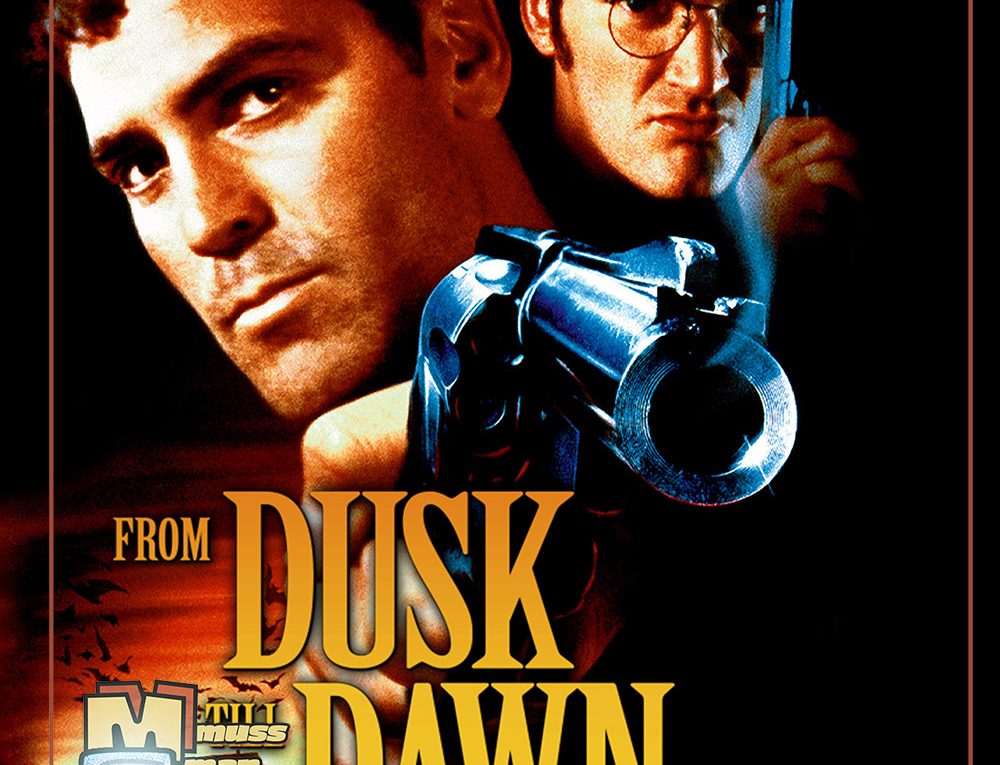
Episode 263: From Dusk Till Dawn – Pulp Fiction trifft Splatterhouse
Richard und Seth Gecko, zwei brutale Gangster auf der Flucht. Jacob Fuller, ein Priester, der wegen des Todes seiner Frau seinen Glauben verloren hat und seine beiden Kinder Kate und Scott, unterwegs mit ihrem Wohnwagen… Die Wege der beiden ungleichen Kleinfamilien werden sich kreuzen.
Nachdem Richard und Seth einen Liquor Store überfallen haben, vergewaltigt und ermordet Richard ihre letzte Geisel. Sie sollte eigentlich die Fahrkarte nach Mexiko sein. Die Brüder brauchen einen neuen Plan. Und so entführen sie Jacob und seine Kinder und fahren mit deren RV über die Grenze. In der mexikanischen Wüste, um dort vom Gangsterfürsten Carlos abgeholt zu werden. Der Treffpunkt: Die Biker- und Truckerbar “The Titty Twister”. Hier wollen die Geckos mit ihren Geiseln die Nacht bis zu Carlos’ Ankunft die Nacht verbringen. Aber sie haben die Rechnung ohne den Wirt gemacht: Die gesamte Belegschaft der Bar entpuppt sich als eine Horde blutdurstiger Vampire, die den Gästen an den Kragen will. Es beginnt ein Kampf ums Überleben, der bis zum Morgengrauen andauert.
From Dusk Till Dawn aus dem Jahr 1996, eine Kollaboration zweier Größen des damaligen Independent-Kinos. Robert Rodriguez trifft Tarantino, Pulp Fiction trifft Splatterhouse.
Johannes, ins Jahr 2025 sind wir mit Pulp Fiction gestartet. Ins Jahr 2026 jetzt mit From Dusk Till Dawn. Welcher dieser beiden Tarantino Kultfilme ist besser gealtert?
: Podcast: Der mussmansehen Podcast - Filmbesprechungen Episode: Episode 263: From Dusk Till Dawn – Pulp Fiction trifft Splatterhouse Publishing Date: 2026-01-14T08:43:12+01:00 Podcast URL: https://podcast.mussmansehen.de Episode URL: https://podcast.mussmansehen.de/2026/01/14/episode-263-from-dusk-till-dawn-pulp-fiction-trifft-splatterhouse/
Florian Bayer: Was? Was soll was? Vampire? Ich finde, das ist absolut schlüssig von A nach B. Von diesem Moment, wo sie in dem Liquor-Store sind zum Twitty-Twister, ist eine gerade Linie und es kann nichts anderes passieren.
Johannes Franke: Willkommen zum zweiten Mal in diesem Jahr.
Florian Bayer: Der muss man sehen Podcast startet ins Jahr 2026. Juhu!
Johannes Franke: Ah, schön, Plur. Ich hoffe, du hattest gutes Silvester. Ich hoffe, du hattest schöne Weihnachten. Das haben wir alles schon geklärt.
Florian Bayer: Wie immer. Fantastisch. Es war ein großes Fest und es war auch ein großes Fest mit dir, mit Charlie Chaplin dieses Jahr zu starten. Und da wir letztes Jahr auch relativ am Anfang des Jahres einen Tarantino-Film hatten, dachte ich, warum nicht dieses Jahr nochmal?
Johannes Franke: Ja, aber es ist ja, diesmal hat Tarantino ein kleines bisschen die Rollen noch gewechselt. Auch wenn er das D-Buch geschrieben hat, hat er ja nicht Regie geführt, obwohl auch das debatable. ist ein bisschen.
Florian Bayer: Wir werden schauen, welche Rolle Tarantino bei diesem Film spielt. Und zwar... sprechen wir über From Dusk Till Dawn aus dem Jahr 1996, der quasi so etwas war wie der Pulp-Fiction-Nachfolger.
Johannes Franke: Oh nein, es ist so gemein. Wir haben noch nicht einmal den Namen des Regisseurs genannt.
Florian Bayer: Robert Rodriguez. Aber auch diesen Namen müssen wir kurz hinten anstellen, weil die Geschichte zu diesem Film... startet mit einer ganz anderen Person, die gar nicht mehr so sehr mit dem Film verknüpft ist oder deren Namen man gar nicht so kennt, wenn man über diesen Film... Und zwar startet unsere Geschichte mit einem gewissen Robert Kurzman, seines Zeichens Special Effect und Make-Up Artist. mit Produktions- und Regieambitionen. Der hat 1988 zusammen mit Craig Nicotero und Howard Berger ein kleines Special-Effekt-Studio gegründet namens KNB. Das sind ihre Namen. Nico Taro, Burger und eben Kurtzman. K&B EFX Group. Nachdem die unter anderem bei diversen 80er Jahre Splatter Horror Filmen miteinander gearbeitet haben. unter anderem Reanimator, über den wir geredet haben. Das war einer unserer Halloween-Filme aus dem letzten Jahr. Die haben diese Special-Effect-Bude gegründet und dann haben die angefangen, weiterhin für B-Movies Special-Effects zu machen, wie Nightmare on Elm Street 5. Also nicht B-Movies, sondern eher schon. und hatten einen riesigen Erfolg mit dem Büffeldesign aus der mit dem Wolf tanzt. aus dem Jahr 1990. Okay, random. Wenn ihr euch an diesen Film erinnert, da gibt es sehr brutale Szenen von erlegten Büffeln, die sehr blutig sind und da haben die die Special Effects gemacht. Aber die waren nicht so groß und die wollten natürlich das Studio nach vorne treiben und haben gedacht, wir brauchen irgendwas, was... Was ein guter Showcase ist für das, was wir alles können. Und das sind nicht nur, das sind Masken, das sind Special Effects, das sind die immer größer werdenden digitalen Effekte. Und dann hat Kurtzman gesagt, naja, ich habe so eine Idee, lass uns doch irgendwie so eine Mischung aus Vampir- und Gangsterfilm machen, da können wir alles reinpacken, was wir können an Stunts und an Computeranimationen und an... an geilen Masken und so. Perfekt.
Johannes Franke: Und diese Idee einen Showcase-Film zu machen, müsst ihr jetzt im Hinterkopf behalten, was sehr wichtig ist, um den Film und seine Dramaturgie und seine plötzlichen Handlungen zu verstehen. Flo, willst du uns kurz erzählen, worum es im Film geht?
Florian Bayer: landen wir eigentlich damit dann? Wir landen in einem Film. Und der geht so. Richard und Seth Gekko, zwei brutale Gangster auf der Flucht. Jacob Fuller, ein Priester, der wegen des Todes seiner Frau seinen Glauben verloren hat und seine beiden Kinder, Kate und Scott, unterwegs mit ihrem Wohnwagen. Die Wege der beiden ungleichen Kleinfamilien werden sich kreuzen. Nachdem Richard und Seth einen Lickersdäuber fallen haben, vergewaltigt und ermordet Richard ihre letzte Geisel. Sie sollte eigentlich die Fahrkarte nach Mexiko sein. Die Brüder brauchen einen neuen Plan. Und so entführen sie Jacob und seine Kinder und fahren mit Darren Ari über die Grenze in die mexikanische Wüste, um dort vom Gangsterfürsten Carlos abgeholt zu werden. Der Treffpunkt? Die Biker- und Trucker-Bar The Titty Twister. Hier wollen die Geckos mit ihren Geiseln die Nacht bis zu Carlos' Ankunft verbringen. Aber sie haben die Rechnung ohne den Wert gemacht. Psst, jetzt kommt Spoiler. Die gesamte Belegschaft der Bar entpuppt sich als eine Horde blutdurstiger Vampire, die den Gästen an den Kragen oder besser gesagt an den Hals will. Es beginnt ein Kampf ums Überleben, der bis zum Morgengrauen andauert. From Dusk Till Dawn aus dem Jahr 1996. Eine Kollaboration zweier Größen des damaligen Independent-Kinos. Robert Rodriguez trifft Tarantino. Pulp Fiction trifft Splatterhouse. Johannes Ins Jahr 2025 sind wir mit Pulp Fiction gestartet. Ins Jahr 2026 jetzt mit From Dusk Till Dawn. Welcher dieser beiden Tarantino-Kultfilme ist besser oder beziehungsweise schlechter gealtert?
Johannes Franke: Besser oder schlechter gealtert?
Florian Bayer: Ach, ich glaube, der hier ist besser gealtert, aber trotzdem schlechter als... als mit Pulp Fiction. Ich glaube auch, dass der besser gealtert ist. Und ich hatte deutlich mehr Spaß als mit Pulp Fiction, den wir letztes Jahr geguckt haben. Weil letztes Jahr war es wirklich so... Also, um das nochmal ins rechte Licht zu rücken. Letztes Jahr haben wir ganz schön Pulp Fiction auseinandergenommen. Ja, ja, ja. wir sind echt hart mit diesem Film ins Gericht gegangen und haben anerkannt, dass es absolut zu Recht ein Kultfilm ist und auch immer noch irgendwie ein guter Film ist. Aber dass er auch ein bisschen dated ist. Ja, ja, ja, ja. Diesen Eindruck hatte ich bei dem Film hier weniger.
Johannes Franke: Das stimmt, das stimmt. Aber da müssen wir, glaube ich, über zwei Filme reden. Und das natürlich in diesem Film berühmtermaßen eigentlich zwei Filme vor uns haben, die wir vielleicht auch getrennt voneinander kennenlernen. behandeln müssen.
Florian Bayer: Und ich glaube, wir werden sehr viel streiten, weil ich glaube nicht, dass das zwei Filme sind. Ich weiß, dass das Absoluter Konsens ist unter allen Filmkonnoisseuren, dass wir hier zwei Filme vor uns haben und die meisten sind sich auch darüber einig, dass die erste Hälfte deutlich schlechter ist als die zweite. Was? Oh! Was? Du siehst es anders? Ich finde die erste Hälfte viel besser. Oh, was? Oh, wir hätten so viel diskutieren müssen. Ich glaube, es sind keine zwei Filme, sondern es ist absolut logisch und schlüssig, was da nach und nach passiert. Und ich finde, beide Hälften sind besser gealtert als Pulp Fiction. Und ich kann mich wieder meinem Urteil zu Reanimator anschließen. dass dieser Film durch und durch verdorben ist und dass dieser Film wirklich einige miese Entscheidungen trifft und eine ganz komische, kaputte Moral an Bord hat und aber ein so großes Vergnügen ist, dass ich über unglaublich viel ihn wegsehen kann, was wirklich gar nicht geht. Weil irgendwie in diesem Film geht alles. Aber wir müssen noch mal ganz kurz zu unserer Filmgeschichte zurückspringen, nämlich zu der Entstehung dieses Films. Ja. Wie die beiden überhaupt da reinkommen, weil wir sind noch bei Robert Kurtzman, der dieses Ding schreibt. der diesen Entwurf hat für einen Showcase für die Special Effects von ihrem Produktionsstudio.
Johannes Franke: Und er hatte sich eigentlich gedacht, ich mache was. Er wollte so ein oder zwei Millionen Budget für seine Specs. Also er hat ein Konzept geschrieben und dachte, ja gut... Und dann werfen die wieder ein, zwei Millionen rein. Und hat wahrscheinlich auch gedacht, diese ein, zwei Millionen gehen komplett auf ihre Kappe, was so Special Effects betrifft. Also so Maske und so weiter. Er hatte nicht gedacht, dass das ein erfolgreicher großer Film werden soll.
Florian Bayer: Wie konnte das zum großen Film werden? Es war ein langer Weg, aber es wurde zum großen Film. Und zwar Craig Nicotero, das Anon K&B. Der war regelmäßig Gast in einer kleinen Videothek. Los Angeles namens Video Archives. Uh, den kennen wir doch irgendwoher. Ein junger, aufstrebender, independent Drehbuchautor vor allem damals noch namens... Quentin Tarantino gearbeitet hat.
Johannes Franke: Ja, der noch nicht ein einziges Drehbuch richtig verkauft hat. Also das stimmt nicht ganz. Er hat vorher geschrieben, aber er hat noch keinen Auftrag bekommen, ein Drehbuch zu schreiben.
Florian Bayer: Er hat geschrieben, er hat versucht, seine Drehbücher ans Volk zu bringen, er hat versucht, seine eigenen Filme zu machen. Wie gesagt, wir sind Ende der 80er, Anfang der 90er und dann haben die gesagt... Lass uns doch zusammenarbeiten. Und Tarantino hat gesagt, ja, ja, geil. Geil, Leute, pass auf, ich mache gerade so einen Film, der heißt Reservoir Dogs. Das wird mein Regiedebüt. Das wird was wirklich Großes. Das wird ein geiler Film. Und Und wollt ihr nicht Make-up und Special Effects machen? Ich habe nicht viel Geld, aber habt ihr vielleicht Bock, da ein bisschen was zu machen? Ihr könnt eure Special Effects zeigen. Aber ich kann euch nicht wirklich bezahlen.
Johannes Franke: Und dann hat Cobot Kürzmann gesagt, wir können dich auch nicht wirklich bezahlen. Wie kannst du denn getauschen? Du brauchst Geld. Wir haben gerade mal noch so 1500 Dollar übrig.
Florian Bayer: Das ist ein symbolischer Betrag, oder? Sie haben ihm 1500 Dollar gegeben, damit er ihnen das Drehbuch für From Dust to Don schreibt. Gesagt, getan.
Johannes Franke: Es ist wirklich seine erste Auftragsarbeit als Drehbuchautor und ich finde es total sweet, weil das wirklich so dieses Independent Filmmaker Ding ist. Du hilfst mir, ich helfe dir, ich habe hier quasi Auftrag und du machst mir dafür irgendwas anderes. Und diese Szene mit dem Ohr bei Reservoir Dogs, das hätte so ja auch nicht funktionieren können, wenn die das nicht gemacht hätten.
Florian Bayer: Reservoir Dogs war in ihrem Budgetbereich. Das war so ein ein bis zwei bis drei Millionen Dollar Ding. Irgendwie so zusammenfinanziert aus verschiedenen Richtungen. Havi Kaltel fand den Film geil, hat da ein bisschen Geld beigesteuert. Und sie haben dann das Make-up gemacht und die Special Effects, Tarantino hat das Drehbuch geschrieben und dann hatten sie das und Kurtzman wollte eigentlich für den Film Regie führen. Und der hatte aber keine Regie-Erfahrung. Und dann haben natürlich die Studios, die haben alle gesagt, Nee, Leute, echt. Und Tarantino, ja, der hat gerade diesen Reservoir Dogs gemacht und ja, das ist offensichtlich auch ganz geil gewesen, ein kleiner Erfolg, aber... Ihr habt nicht so viel Erfahrung und wir wollen eigentlich niemanden, der so wenig Erfahrung hat.
Johannes Franke: Das war auch wirklich so ein Geziere und nee und doch und vielleicht schon und dann hin und her und das, was man so richtig als Development Hell bezeichnet.
Florian Bayer: Aber dann ist dazwischen etwas passiert. 1994 hat Tarantino einen kleinen Hit gelandet mit einem Film namens Pulp Fiction.
Johannes Franke: Wenn ihr ihn gesehen habt, zufälligerweise, also Pulp Fiction, ich weiß ja nicht, ob das bekannt ist oder so.
Florian Bayer: Man kann sich das nicht mehr ausmalen, wie das damals war. Der ist wirklich über Nacht von einem durchaus angesehenen Indie-Filmregisseur zu Hollywood, Darling, Nummer 1 geworden. Wahnsinn. Wenn Quentin Tarantino gesagt hat, ich will was machen, sind alle gesprungen.
Johannes Franke: Ja.
Florian Bayer: Pulp Fiction allein hat dafür gesorgt, dass jeder das nächste große Tarantino-Ding machen wollte. Ja. Wir haben in unserer Tarantino-Folge drüber gesprochen. Die haben ganz aggressiv Firmen, die irgendwie auch nur ansatzweise was mit Tarantino zu tun hatten, beworben mit von den Machern von Pulp Fiction. Die haben versucht, alles da rauszuschlagen, was man rausschlagen konnte. Und wenn ein Quentin Tarantino dann sagt, Nehmt den hier als Regisseur, der hat einen geilen Indie-Film gemacht, den ich mag, dann springt das Studio auch da. Und dann kommt nämlich Robert Rodriguez ins Spiel.
Johannes Franke: Das ist so absurd. Was für eine Macht man dann, als Tarantino plötzlich hat, eine Regie vorzuschlagen. Es war ja im Raum, dass er es selber Regie führt. Und dann haben die sich aber irgendwie so kumpelhaft mäßig, das war ein Freund, Robert Rodriguez, das war eine Freundin einfach. Und die haben sich das ausbaldowert im Privaten und dann hieß es plötzlich, willst du nicht Die Rolle spielen und Tarantino so, ja, aber wenn ich die Rolle spiele, ach, das wäre schon geil, aber dann muss ich mich auch wirklich auf die Rolle konzentrieren, dann kann ich nicht Regie machen, dann mach du mal die Regie. Und ich mache hier die Rolle und dann schreibe ich noch ein bisschen was rum an der Rolle. Der hat nämlich die Rolle tatsächlich kleiner geschrieben. Nachdem er herausgefunden hat, dass er die Rolle spielen wird, hat er den nochmal umgeschrieben, kleiner gemacht, damit nicht alles an ihm hängt. Weil er auch schon geahnt hat, dass er nicht der beste Schauspieler ist.
Florian Bayer: Robert Rodriguez hat 92 El Mariachi gedreht mit einem lachhaft kleinen Budget von ein paar tausend Dollar und hat das versucht, auf dem Videomarkt zu verkaufen. Eigentlich war der ursprüngliche Plan, das wirklich nur in so einem lateinamerikanischen Videomarkt zu machen. Und irgendwie sind dann Leute darauf aufmerksam geworden und zwar Columbia Pictures und die haben dann nochmal richtig Geld reingestellt. steckt sowohl für eine vernünftige Post als auch für die Vermarktung. Und das war so ein kleiner Hit. Und aber so, dass Tarantino auf ihn aufmerksam wurde auch. Die haben sich auch aus der Videothek gekannt und Tarantino hat dann eine kleine Rolle gespielt in der Fortsetzung von El Mariachi, nämlich Desperado aus dem Jahr 1995, wo auch eine gewisse Selma Hayek zum ersten Mal gespielt hat. Und Tarantino mochte Robert Rodriguez, seine Art Filme zu drehen. Und dann haben sie auch bei V-Rooms aus dem Jahr 1995 beide Regie geführt, bei so kleinen Episoden. Also da gab es irgendwie diese enge Verbindung und Rodriguez wurde auch irgendwie als so eine Art mexikanischer Tarantino wahrgenommen. Und dann war es halt, Tarantino sagt, nehmt den hier. Ja. Und dann sagen, in dem Fall Harvey und Bob Weinstein, die für Pulp Fiction Produktion verantwortlich waren, ja machen wir. Die hatten...
Johannes Franke: Bevor du über Weinstein redest, möchtest du Teplor?
Florian Bayer: Oh ja, bitte. Die hatten vor zehn Jahren ungefähr, hatten die Myra Max gegründet und dann auch die Tochter der Menschenfilms, weil Myra Max wurde von Disney gekauft und die wollten... das blutige Zeug so ein bisschen abkoppeln davon, dass das nicht neben den Disney-Familienfilmen steht. Und dafür war der Menschenfilm verantwortlich. Die haben, wie sehr viele andere auch, an Tarantinos Erfolg partizipiert. Und wenn Tarantino dann sowas sagt zu denen wie, dann machen die das. Und wenn Tarantino sowas sagt zu denen wie, macht aus From Lost Kill Dawn einen bisschen größeren Film und macht Robert Rodriguez zum Regisseur, dann machen die das auch. Und so kamen wir dann zu den Dreharbeiten zu diesem Film.
Johannes Franke: Lass uns gleich mal darüber reden. Tarantino am Set von From Dusk Till Dawn und Robert Rodriguez als Regisseur. Und das sind ja beides durchaus so ein bisschen Alpha-Tiere, was das betrifft. Ja. Und ich habe einen Podcast gehört, der gesagt hat, es ist keine Poltergeist-Situation, aber ich würde sagen, nein, es ist eindeutig Poltergeist. Tarantino ist am Set, der Poltergeist, der überall dazwischen geht und sagt, komm, ich habe noch eine geile Idee, lass uns das so und so machen. Und Robert Rodriguez kann nicht einfach sagen, nee, ich mach das so, wie ich das will. Und Tarantino hat Echt immer wieder so Ideen hier, Ideen da kommen, lass das, lass das, lass das machen. Und wenn man böse auf den Film guckt und sich die Szenen anschaut, die ohne Tarantino sind, dann sind die vielleicht auch anders als die Szenen, wo Tarantino drin ist.
Florian Bayer: Du meinst, der Film gewinnt, wenn Tarantino, wenn seinen Charakter, den er spielt, nämlich den Ratchet Gecko, wenn der irgendwann gestorben ist, weil Tarantino dann am Set nicht mehr so extrem allen auf die Nüsse geht?
Johannes Franke: Ich befürchte, die sind besser, die Szenen, wo er da ist. Ich befürchte, dass Rodriguez eben der schlechte Regisseur ist.
Florian Bayer: Oh, interessant. Lass uns mal kurz über Rodriguez reden. Rodriguez ist meiner Meinung nach ein ganz merkwürdiger, ein Chameleon-Regisseur, würde ich sagen. Es gibt so Leute, der macht... Je nachdem, was für einen Film der macht, das ist ein komplett unterschiedlicher Style. El Mariacho und Desperado sind wirklich so sehr nah dran an diesem amerikanischen Indie-Kino der damaligen Zeiten. Das sind so Gangster-Filme mit Referenzen ans Midnight-Kino der 70er Jahre. Aber schon auch viel Action und viel schnell und Action und schnell, aber ja, aber gar nicht so Action und schnell, sondern vor allem auch so ein bisschen räudig und fiese, coole Gangster und Style over Substance und so weiter. Und dann hat er sowas gemacht wie The Faculty aus dem Jahr 80. Was fast so ein klassischer Slasher-Horror ist, der auf dieser neuen Slasher-Welle mitgeritten ist. Also irgendwie so ein Scream-Epigone. Aber dann hat er auch sowas gemacht wie Spike-Hits in den 2000ern mit mehreren Fortsetzungen. Ich glaube davon gibt es mittlerweile fünf Filme oder so. die halt einfach mal so Kinder-Fantasy-Filme in Bund sind und mit sehr vielen Computereffekten. What? Oder er hat sowas gemacht wie Sin City, der ja so ein over-stylized Comic-Film ist. Ich will sagen, Robert Rodriguez hat eigentlich keine eigene Bildsprache. Robert Rodriguez ist immer das, was er gerade vorgesetzt kriegt. For the best and for the worst. Und Deswegen finde ich auch, dass wenn man From Us Till Dawn sieht, also ich sehe da sehr viel Tarantino drin und ich sehe da auch ein bisschen frühen Rodriguez, aber ich sehe wirklich primär Tarantino und zwar von Anfang bis Ende.
Johannes Franke: Deswegen sage ich Poltergeist.
Florian Bayer: Wirklich. Was ich viel problematischer finde, ist ja, dass offensichtlich... Weil sie aus dem Indie-Bereich kamen, haben sie gesagt, wir machen da eine Non-Union-Production draus. Sprich, Gewerkschaften sind das böse.
Johannes Franke: Ja, und die Gewerkschaften haben auch mit Streik und allem Möglichkeiten. möglichen gedroht. Es war nicht schön.
Florian Bayer: Es ist halt echt ein Problem. Die kommen aus dem Bereich, wo sie, also Rodriguez vor allem, wo er einen Film für 10.000 Dollar gedreht hat. Und es ist klar, dass du anderes zu tun hast. Du drehst das mit Freundinnen und Freunden. Du hast eine ganz andere Art von Produktion und du kannst einfach auch nicht wirklich bezahlen und so. Aber wenn du einen Film für mehrere Millionen Dollar drehst und sagst, hier haben Gewerkschaften nichts verloren.
Johannes Franke: Das funktioniert nicht.
Florian Bayer: dann hast du ein riesiges Problem, weil du dann einfach mal der Tyrann am Set bist. Und du bist der Tyrann in der Bezahlung und du bist einfach... King Tarantino und King Rodriguez. Und ich kann das total verstehen, dass das irgendwie nicht so geil angekommen ist bei den Gewerkschaften.
Johannes Franke: Nee, überhaupt nicht. Vor allem, weil auch die Produktionsfirma im Hintergrund steckt. Wenn Weinstein das machen, dann kann man nicht einfach, also die müssten sich einfach durchsetzen eigentlich und sagen, nee, wir machen da eine, das ist eine Union Production. Das geht nicht.
Florian Bayer: Ja, finde ich voll schrecklich. Es gibt eine Doku über die Dreharbeiten zu diesem Film. Hast du sie gesehen?
Johannes Franke: Ich habe sie nicht richtig gesehen, nein.
Florian Bayer: Ich habe ein bisschen drin geguckt und war dann sehr genervt davon schnell, weil es eine ganz merkwürdige Mischung ist. Also zum einen ist es, Tarantino inszeniert sich selbst. Die Doku selbst ist wirklich so eine Inszenierung. Der Film startet dann mit Tarantino und George Clooney zusammen zum Set laufen und dann irgendwie einen Praktikantendum anmachen. Ja. Mit Fangirls flirten. Übrigens, Tarantino hat angeblich George Clooney besetzt, weil er gesagt hat, ah, der Typ sieht aus wie ich.
Johannes Franke: Stimmt, stimmt. Ich habe das auch mitbekommen.
Florian Bayer: Der könnte mein Bruder sein.
Johannes Franke: Wie doof ist das denn?
Florian Bayer: Du versuchst dich gerade mit George Clooney da irgendwie... Es ist so süß. Ich finde es total putzig und total schräg und es passt so zu Tarantino. George Clooney war damals, George Clooney war ein Filmstar, war kein Filmstar, sondern George Clooney war eine Serie. Fernsehstar. Der hat Emergency Room gedreht. Der war damals Sexsymbol aus Emergency Room und sein Trademark war vor allem, dass er verdammt gut aussah.
Johannes Franke: Ja, genau. Sexsymbol. Genau.
Florian Bayer: Und der sollte ja zum großen Schauspieler werden, so in der Zeit und auch zum Regisseur. Und Tarantino hat gesagt, hat diesen sexy Arzt gesehen. Ja. Emergency Room und hat gesagt, das ist mein Bruder. Der sieht so aus wie ich.
Johannes Franke: Fuck, Alter.
Florian Bayer: Ja, auf jeden Fall, die Doku zeigt, wie sie beide überset gehen und zeigt dann so sehr viel gespieltes Zeug, wo klar ist, dass es auch, diese Doku ist auch einfach ihre eigene Inszenierung.
Johannes Franke: Ja, ja.
Florian Bayer: Und Full Tilt Boogie, die wurde zwei Jahre später veröffentlicht. Ein bisschen zu spät vielleicht. Auf jeden Fall wird dann aber auch sehr viel von der Crew gezeigt. Es gibt Interviews mit der Crew und es wird durchaus auch thematisiert, wie das ist, so Non-Union zu haben.
Johannes Franke: Ja, ja.
Florian Bayer: Ich fand sie eher langatmig und eher schleppend und ich habe dann so ein bisschen durchgeskippt und dachte dann, okay, das ist so komisch, so eine merkwürdige Mischung aus hyperinszeniert. und versucht, was Dokumentarisches und auch vielleicht ein bisschen Kritisches zu machen, muss ich mir jetzt nicht wirklich geben. Genau, Tarantino hat George Clooney gewählt, weil er ihn sexy fand und selbst auch sexy sein wollte. Und Genau, dann sind so nach und nach die Leute zusammengekommen für diesen Film Selma Hayek, die die berühmte Tanzszene gedreht hatte, vorher mit Rodriguez gedreht und zwar Desperado. Ja, die El Mariachi-Fortsetzung.
Johannes Franke: Weißt du, wie groß die Rolle da war?
Florian Bayer: Größer als hier, was nicht besonders schwer ist. Sie spielt quasi, ich weiß nicht mehr, ich glaube eine Lehrerin ist sie, aber ich bin mir nicht 100% sicher. In Desperado geht es darum, dass dieser Typ in die Stadt kommt. Gespielt von dem mexikanischen George Clooney. Oder ich würde sagen, er George Clooney ist der amerikanische Antonio Banderas. Von Antonio Banderas gespielt. Der kommt in die Stadt und will den Tod seiner Frau rächen. Und ist so, er ist ein Mariachi, ist ausgestattet mit einem Gitarrenkoffer, der voll mit Waffen ist. Und dann ballert er die ganzen Gangster nieder. Und irgendwann im Laufe des Films trifft er auf diese Frau, die in dieser Stadt wohnt und die auch irgendwie mit dem Gangster verknüpft ist und verliebt sich in sie.
Johannes Franke: Toll.
Florian Bayer: Sie ist mehr als ein Tool, aber sie ist weniger als eine richtige Frauenrolle. Wir haben sehr viel über die Beziehung von Robert Rodriguez, von Tarantino. zu Frauenrollen in seinen Filmen geredet. Bei Robert Rodriguez gilt glaube ich Ähnliches, zumindest zu Beginn seiner Karriere. Das sind hypermaskulanistische Filme.
Johannes Franke: Ja.
Florian Bayer: Und es gibt auch eine Sexszene in diesem Film. Und sie ist sehr gut darauf zu sprechen, wie Robert Rodriguez damit umgegangen ist. Weil sie hat... Sie hatte Probleme damit, sie wollte keine Nacktszähne machen und sie hat... sie hatte sehr viel Schwierigkeiten mit der 16 und sie hat so im Nachhinein gesagt, Robert Rodriguez hat das super sensibel behandelt, ist da total cool damit umgegangen, das war wirklich gut am Set und die Szena hat viel länger gedauert, als sie dauern müsste. Unter anderem auch, weil da Rücksicht drauf genommen wurde.
Johannes Franke: Geil. Okay, das ist schön.
Florian Bayer: Und vielleicht ist es ein bisschen Rache von Rodriguez, dass er sich anschließend in diesem Film mit nachdenkt. echten Schlange tanzen lässt. Eine Frau, die Angst vor Schlangen hat.
Johannes Franke: Sie hatte Angst vor Schlangen. Es ist Es wird viel im Internet übertrieben. Sie musste monatelang in Therapie gehen. Das stimmt natürlich alles nicht in der Form, aber sie hatte echt... Angst vor Schlangen, vor allem so eine krasse Schlange. Und dann musste sie sich natürlich irgendwie damit beschäftigen und das... irgendwie sich daran tasten, dass sie das hinkriegt, damit das zu machen, die Szene. Und ich finde... Sorry.
Florian Bayer: Nein, jetzt sagst du nicht, dass der Tanzgeist... Wirklich?
Johannes Franke: Man sieht, sie ist echt ein bisschen steif und es ist nicht so... Und sie haben sich keinen Gefallen damit getan, da keine Choreografie drauf zu klatschen. Robert hat einfach gesagt, los, mach mal. Du schaffst das schon. Fühl einfach die Musik, keine Choreografie. Und ich finde... die schlechteste Entscheidung.
Florian Bayer: Wow, Wahnsinn. Ich finde, die Szene funktioniert unglaublich gut. Ich weiß nicht, wie steif sie ist, weil ich mir keine Gedanken drüber mache, weil die Inszenierung so on point ist, um zu sagen, alle sind gebannt von ihr. Wir sind in dieser Bar und da sind sehr viele Frauen, die ihre Titten rumwackeln lassen. Und dann kommt sie und sie ist sehr angezogen für diese Barverhältnisse. Und trotzdem sind alle wie gebannt von ihr. Und das ist so inszeniert, dass es mir scheißegal ist, wie sie sich bewegt, weil der Film es schafft, mir zu verkaufen, dass sie alle in ihren Bann schlagen kann.
Johannes Franke: Das stimmt. Also da hast du, muss ich sagen, absolut recht. Aber das Ding ist, ich habe natürlich trotzdem dadurch, dass ich einen Abstand habe und dass ich in meinem Wohnzimmer sitze Und habe ich einen Abstand und kann mir das anschauen und von außen sagen, äh, Nun muss ich vielleicht auch dazu sagen, dass ich eine Burlesque-Show moderiere. Dreimal im Jahr oder viermal im Jahr, je nachdem, wie wir es schaffen. Und ich vielleicht da auch ein bisschen aktiv drinstecke in dem Thema. Und ich fand sie nicht so richtig gut. Und wir müssen auch viel über ihre Figur an sich reden und was sie da nutzen und was sie nicht nutzen und welches Potenzial sie eigentlich gehabt hätte. Aber das machen wir später.
Florian Bayer: Ich dachte kurz, dass du über ihre Figur reden willst. Im Sinne von über ihre Figur.
Johannes Franke: So, also mal Karten auf den Tisch.
Florian Bayer: Tarantino boobs. Feed.
Johannes Franke: Vor allem Feed. Oh Gott. Und Tarantino hat das selbst geschrieben. Natürlich schreibt er sich so eine Szene rein. Und das Ding ist, die Szene ist überhaupt nicht nötig. Wer braucht
Florian Bayer: zu sehen, wie Tarantino diese Füße ins Gesicht bekommt. Also ich finde es ja selbst eklig, wenn es gewaschene Füße sind. Aber in dieser versifften Bar. ist sie gerade einmal die gesamte Bar entlang gelaufen. Wie viele Geschlechtskrankheiten hängen in diesem Moment an ihren Füßen? Wie viel Kotze... Wie viel Pisse, wie viel verschüttetes Bier von irgendwelchen Leprakranken-Bikern hat sie da an sich hängen?
Johannes Franke: Aber sie muss sich nicht darum scheren. Sie muss sich ja sowieso am Ende alle aussaugen. Das ist zumindest der Plan offenbar. Aber lass uns ein bisschen zurückspringen. wollen und mal erstmal den ersten Teil des Films.
Florian Bayer: Den ersten Teil eines geschlossenen Films und ich bestehe darauf, dass wir die ganze Zeit darüber reden, als ob das nicht zwei Filme wären.
Johannes Franke: Okay.
Florian Bayer: Wir starten mit einer Szene in der Wüste mit dem Liquor Store von Benny. Benny werden wir nie zu Gesicht bekommen. Ja. Stattdessen sehen wir einmal Earl McCrow, einen Texas Ranger, und Pete, den... Liquor-Verkäufer. Und Earl McRow, es gibt einen expanded Tarantino-Universe, der wird in späteren Filmen nochmal auftauchen. Und zwar in Kilbel und in Death Proof, wo er die Rolle spielt. Also der Schauspieler selbst... der übrigens auch ein Name ist für alle Leute, die sich mit 70er Jahre und 60er Jahre Kino beschäftigen. Michael Parks, der wie viele Leute in diesem Film, also Der hat mich nur echt krass gecastet nach dem, was ihn interessiert. In sehr vielen Gangster-Movies, B-Movies und so weiter mitgespielt hat seit den mittleren 60er Jahren. spielt hier diesen Texas Ranger und wir haben ein Gespräch, das über sämtliche 2025er, 2026er Fallstricke stolpert, was, äh,
Johannes Franke: Politiker Correctness betrifft. Naja, der stolpert nicht darüber, sondern der walzt da so richtig hart drüber, weil er das auch will, oder? Also ich meine, Tarantino schreibt das nicht, weil er sich denkt, ach, das ist ein harmloses Gespräch. spürt man richtig den Willen zu Political Incorrectness raus.
Florian Bayer: Und warum macht er das? Also wir haben in dieser Szene Apleismus, wir haben Sexismus, wir haben einen wirklich unsympathischen Kopf, der einfach übel vom Leder zieht, mit heftigen Derbenbegriffen. Macht er das, um ihn unsympathisch zu machen? Macht er das, weil er... Political Incorrectness cool findet und witzig findet und einfach einen Charakter braucht, um dem in den Mund zu legen.
Johannes Franke: Also nach dem, was wir so auch sonst so bei Tarantino haben, ich glaube, der Coolness-Faktor ist das Wichtigste.
Florian Bayer: Das ist hart. Ich glaube, es ist wirklich so. Ich befürchte auch, dass es eine Rolle spielt und zwar nicht mal, dass ich sagen würde, Tarantino ist jemand, der eine rechte politische Einstellung hat. Nein, das nicht. Sondern es geht einfach darum, so ein Edgelord zu sein. Genau. Ich bin, ich hau voll auf die Kacke.
Johannes Franke: Genau.
Florian Bayer: Das ist Kunst und das ist witzig. Lebt damit. Genau. Und ihr seid so Brüde, wenn ihr das doof findet.
Johannes Franke: Genau.
Florian Bayer: Ich finde den Dialog tatsächlich geil.
Johannes Franke: Ich muss auch sagen, es ist so gut inszeniert und dramaturgisch und so ist das einfach verdammt. Verdammt gut. Ich habe, glaube ich, wenn ich den Rest des Films komplett weglasse, erst mal nach und nach entwickelt sich das ja. Aber die erste Szene. die da wie ein Monolith dasteht, ist eine der besten ersten Szenen, die ich kenne. Inklusive des Dialogs. Inklusive des Dialogs. Wirklich, wirklich. So gut inszeniert. So gutes Timing. So gut geschnitten. So gute Ideen im Drehbuch. Es ist wirklich Wahnsinn.
Florian Bayer: Tarantino ist echt ein guter Autor. Und er kann wirklich gut diese banalen Alltagsgespräche schreiben. Und das Schlimme ist, er kann auch wirklich gut dieses Zeug schreiben, wo man drauf guckt und sagt... oh, das ist moralisch alles so fragwürdig und einen Charakter so agieren zu lassen. Und muss das so sein. Auch diese Entscheidung, wie er Richard und Seth Gekko inszeniert, weil er benutzt ja... Den totalen Psycho Richard, um Seth wie eine Art Helden aussehen zu lassen, ne?
Johannes Franke: Was absurd ist. Aber über die Charaktere können wir dann nochmal reden. Ich finde es wahnsinnig interessant, wie die Entwicklung ist. was wir als Zuschauer denken, wer was wie ist und was für ein Hintergrund da steckt. Ich finde nämlich hier, dass Richie die ganze Zeit in der ersten Szene noch so rüberkommt wie... Der sieht mehr als die anderen. Der ist vielleicht einfach genial. Findest du? Ja.
Florian Bayer: Nein.
Johannes Franke: Doch, ich denke die ganze Zeit... Wow, vielleicht sieht er da irgendwas. Moment, habe ich das verpasst? Hat der wirklich signalisiert? Hm, ich spule jetzt nicht zurück, aber irgendwas ist da und der kriegt das besser hin als...
Florian Bayer: Ich nehme den komplett anders wahr und zwar von der ersten Sekunde an. Das ist ein Psycho. Nein! Und das ist eine gefährliche Person und das ist die Person, vor der man Angst haben muss.
Johannes Franke: Also natürlich muss man vor den beiden Angst haben.
Florian Bayer: Vor beiden, aber ja, witzigerweise ist es halt so, ist er so extrem inszeniert für mich. Ja. Dass ich die ganze Zeit den Versuch sehe, des Films Seth irgendwie zu rationalisieren. Wir sehen diesen brutalen Gangster, der mehrere Cops umgebracht hat. Ja. Auf der Flucht und so weiter. Und durch sein ständiges Ich bin anders als du, Richard, ich vergewaltige keine Leute und ich bringe keine Leute um, wenn es nicht sein muss, ist er the good guy. Und das ist total problematisch.
Johannes Franke: Natürlich ist das total problematisch.
Florian Bayer: Aber es ist total genial in der Inszenierung. Weil Tarantino schafft es dadurch, oder Rodriguez schafft es dadurch, die beiden schaffen es dadurch. auch so ein Psycho wie Seth als den Good Guy dastehen zu lassen, dass wir mit ihm mitfiebern. Und ich bin in dem Film die ganze Zeit auf seiner Seite. Ich will es nicht, aber ich bin es, weil der Film das zu gut macht.
Johannes Franke: Ja, aber ich finde schon, dass ich am Anfang noch nicht einsortieren kann, wer Quentin ist.
Florian Bayer: Wirklich? Wahnsinn.
Johannes Franke: Also Richie in dem Fall.
Florian Bayer: Ich finde, Richie wirkt so psychopathisch.
Johannes Franke: Aber er könnte auch einfach ein neurodiverser Typ sein, der mehr sieht als andere.
Florian Bayer: wir sehen doch das Gespräch von Pete und dem Texas Ranger. Und wenn Pete sagt, ich habe Oscar-reif gehandelt, Dann sage ich, ja, er hat recht. Er hat das wirklich gut gemacht. Er spielt es so gut, dass wir ihm das auch abkaufen als Publikum.
Johannes Franke: Ja, ja, ja, klar. Und das finde ich ein bisschen problematisch an der Szene, muss ich sagen, weil der... Er spielt es zu gut? Er spielt es zu gut. Zu gut. Für einen normalen Typen, der in so einem Ding arbeitet, kann der das nicht so wegdrücken, diese Angst, die du die ganze Zeit drunter legen musst.
Florian Bayer: Das finde ich wichtig. Das finde ich wichtig, weil das zeigt uns gleich, dass Richie komplett paranoid ist. Dass Richie einfach nicht recht hat, weil er das wirklich gut gespielt hat. Und es macht natürlich diese Überraschung, dass die beiden in dem Liquor-Store sind mit den Geiseln. Natürlich. Umso treffender. Das ist einfach mal so ein Punch. Und diese Szene, ich weiß nicht, ob ich sagen würde, wie du jetzt, dass das eine der besten Eröffnungszenen der Filmschicht ist, aber ja, die hat so viele Punches. Wahnsinn. Und so viel gelungen ist und ist so derb und so verdorben und so kaputt, diese Zähne, weil wir haben... Hier wirklich gleich am Anfang haben wir wirklich brutale Momente, wo Leute brutal angegangen werden, wo einer hinterrücks in den Kopf erschossen wird. Wo einer lebendig verbrannt wird.
Johannes Franke: Auch eine krasse Idee. Also wirklich so dramaturgisch ist die Szene so, so gut. Vielleicht nicht unbedingt die Beste der Filmgeschichte, aber zumindest in diesem Genre finde ich es wirklich ganz, ganz, ganz vorne mit dabei.
Florian Bayer: Und das ist ein Staple, was sich durch diesen Film dreht, was, glaube ich, ganz wichtig ist. Sie ist einfach Fun.
Johannes Franke: Und sie hat viel Drive.
Florian Bayer: Sie ist so unterhaltsam. Und das ist total schräg. Und das haben wir in diesem Film, glaube ich, durchgängig. Da passieren echt krasse und brutale und schlimme Sachen. Und es ist die ganze Zeit unterhaltsam und man kann sehr viel darüber diskutieren, ob sowas unterhaltsam sein soll. Aber man kann es dem Film nicht absprechen, dass wir die ganze Zeit sehen, wie schreckliche Dinge passieren und wir unglaublich viel Spaß dabei haben.
Johannes Franke: Absolut, absolut. Ich finde, spätestens wenn der da irgendwie die ersten Mal denken, dass der tot ist und er dann noch nochmal an seinen Safe geht, um seinen Revolver rauszuholen. Das ist so gut geschnitten, so einfach dazwischen schnell und so anarchisch fast und richtig gut. Also ich muss sagen, gerade für die 90er, wirklich tolle erste Szene.
Florian Bayer: Und halt auch geil, dass sie wirklich, einfach dieser Humor, der die ganze Zeit drin steckt, dass Pete, nachdem klar ist, jetzt ist ein Shootout und ich muss irgendwie überleben, immer noch mit ihnen diskutiert und sagt, ich habe niemanden gewarnt, ich habe alles getan. Sie sind schon im Kampf, aber ihm ist trotzdem wichtig, einmal zu sagen, ich habe nicht gewarnt, ich habe nicht gelogen, ich habe das gemacht, was ihr wolltet.
Johannes Franke: Fantastisch, wirklich sehr, sehr, sehr, sehr gut. Aber wie gesagt, ich glaube, dass er ein bisschen zu gut spielt für die Glaubwürdigkeit der Figur oder der Szene. dramaturgisch verstehe ich, dass man das braucht für diese Szene, damit die sich so entwickeln kann, wie sie es tut.
Florian Bayer: Wir kommen zu dem Part, der, also nach dem sehr geilen Vorspann mit Dark Knight von den Plasters, ich behaupte mal, das ist Tarantino und nicht Rodriguez, der hier wieder seinen guten... Gutes Händchen für Surfrock und ähnliches beweist. Kommen wir zu einer der wirklich schwierigen Szenen in diesem ersten Abschnitt eines gesamten Filmes.
Johannes Franke: Ja, wo sie ohne sich umzudrehen bei der Explosion davonlaufen oder was meinst du?
Florian Bayer: Das finde ich okay. Sie gehen nicht cool davon, sondern sie diskutieren. Und es ist so witzig, wie Richard dann nochmal sagt Bitch, Bitch, Bitch, Bitch, Bitch. Weil er so genervt ist von der Meckerei von seinem Bruder. Aber das ist also was für ein Klischee, oder? Absolut, ja, ja.
Johannes Franke: Hinten die Explosion und die werden ohne es zu beachten.
Florian Bayer: weg. Es funktioniert meiner Meinung nach in dem Moment, weil sie es nicht beachten, weil sie wirklich viel zu sehr in dieser Zippling-Rivalry gefangen sind. Ja, ja, ja. Sie diskutieren einfach und sie haben keine Zeit, sich um das Feuer zu kümmern. Nee, das ist problematisch. Das ist die Hotelszene. Sie haben eine Geisel dabei, Gloria.
Johannes Franke: Ja, ja.
Florian Bayer: Und sie nimmt sie in das Motelzimmer und Seth sagt... macht ihr eine klare Ansage, was sie zu tun hat und was sie zu lassen hat und sagt dann, er geht nochmal los an die Grenze, um zu gucken, wie es da aussieht und um Carlos zu treffen, einen Treffpunkt auszumachen und so weiter. Und dein Lieblingscharakter, den du so sympathisch findest, bittet Gloria dann sich aufs Bett zu setzen, während er die...
Johannes Franke: Ich bin so naiv. Ich war so naiv. Wirklich, ich habe es nicht kommen sehen. Ich war so naiv in dem Moment.
Florian Bayer: Immer noch in diesem Moment.
Johannes Franke: Weil er kommt, er sagt so, ja, ach komm, setz dich zu mir, wir gucken Fernsehen. Und ich so, ach wie nett, das sagt doch die Geile. Soll sich da mit zum Fernsehen setzen. Und ich denke mir, nachdem natürlich dann ich verstehe, was danach passiert ist... Ich komme mir so ertappt vor und mir wird so schlecht im Magen, weil ich denke, fuck, Alter. Wir wissen ja gar nicht, was er genau mit ihr gemacht hat, aber das macht es noch schlimmer, weil ich mir natürlich in meiner Fantasie alles mögliche ausmalen kann. Der Film kann mir ja gar nicht so schlimme Sachen zeigen, wie ich mir denke. was der macht.
Florian Bayer: Ach, jetzt schwenkst du um. Jetzt sagst du, er hat nicht recht, wenn er sagt, sie ist wirklich zum anderen Menschen geworden. Sie hat mich quasi dazu gezwungen, sie umzubringen.
Johannes Franke: Natürlich glaube ich ihm nicht mehr. Ich glaube, ich habe jetzt kein Wort mehr. Aber es ist echt hart krass. Und sie haben ja diese Frau besetzt, weil sie wirklich aussieht wie die normalste Frau der ganzen Welt, oder? Ja.
Florian Bayer: Naja, sie sieht halt so aus, dass man wirklich Mitleid mit ihr hat und ihre Angst sehen kann.
Johannes Franke: Sie wirklich auch... aus unserer Realität kommt. Der Film hat viele Momente, wo ich denke, das ist jetzt nicht mehr unsere Realität. Aber diese Frau... kommt direkt aus unserer Mitte, aus unserer Zuschauermitte. Und deswegen tut sie uns so wahnsinnig leid. Ich finde es wirklich gut besetzt.
Florian Bayer: Ich finde es halt krass, weil diese Szene dient natürlich vor allem dazu, uns noch einmal ganz eindeutig zu erklären, was der Unterschied zwischen Richard und zwischen Seth ist. Und Ich habe manchmal das Gefühl, also Tarantino sieht gut aus, oder? Was? Tarantino, Quatsch. George Clooney sieht extrem gut aus.
Johannes Franke: Ja, George Clooney sieht extrem gut aus.
Florian Bayer: es ist tatsächlich nicht so schwer, uns George Clooney als Helden zu verkaufen. Ich finde es problematisch, dass sie halt, sie gehen halt sehr weit und Um zu zeigen, hier haben wir einen Unterschied zwischen zwei Personen und ihr wisst ganz klar, wen ihr gruselig findet und wer euch Angst macht und wer irgendwie euer Held ist, mit wem ihr euch identifiziert.
Johannes Franke: identifizieren könnt. Ich weiß nicht, ob eine Identifikationsfigur wirklich als Konzept irgendwie Sinn macht hier, aber...
Florian Bayer: Ich weiß nicht, wie geil ich eine Vergewaltigung und einen Mord finde, um uns Charaktere so hinzubiegen.
Johannes Franke: Ja, ich weiß aber gar nicht, ob ich das so sehr als Kalkül gesehen habe, um das uns als Held zu verkaufen. Da ist doch kein Held trotzdem. Wir haben doch trotzdem keine Identifikation mit ihm.
Florian Bayer: Ja. Aber es gibt auch den Moment, wo wir sagen, und Seth, wir sind auf Seths Seite.
Johannes Franke: Nein, nein, nein.
Florian Bayer: Du willst nicht, dass er nach Mexiko entkommt? Nein. Wirklich nicht? Nein. Ich will, dass Seth nach Mexiko entkommt. Ich wünsche ihm alles Gute. Er ist für mich der absolut strahlende Held in diesem Film.
Johannes Franke: Verstehe. Dazu haben sie aber auch zu viele kleine Szenen, wo es wirklich, also sobald sie ihn aufgegabelt haben mit seiner Familie. Jacob. Jacob. Der fragt ihn ja dann aus. Also George Clooney sitzt da vorne und fragt ihn nach seiner Frau aus, die gerade gestorben ist. Richtig. Nein, nein, nein, nein.
Florian Bayer: Empathie?
Johannes Franke: Nein, das ist keine Empathie. Natürlich. Die Fragen, die er da stellt, sind total... fies und bohren nur weiter rein und noch weiter rein und tief in die Wunde. Ne, das geht gar nicht.
Florian Bayer: Er ist einfach empathisch.
Johannes Franke: Kannst du mir mal am Arsch lecken.
Florian Bayer: Und Und ich kaufe ihm auch voll ab, das, was er zu Jacobs sagt, dass er sie freilassen wird, wenn sie ihm helfen wollen.
Johannes Franke: Ja, das glaube ich ihm auch, ja.
Florian Bayer: Ich gehe nie, also vor allem Scott hat ja Angst, dass sie in der Wüste erschossen werden. Das glaube ich nicht, dass es Safford und so erzählt, dass er einfach zu cool ist, um das zu tun. Das stimmt, ja. Aber auch hier wieder dieses Ding, diese Elevation von Seth dadurch, Dass er nochmal sagt, hey und übrigens, ich schütze auch deine Tochter davor, von meinem Bruder vergewaltigt zu werden. Toll. Danke. Ja, genau. Wie wär's damit? Lass uns einfach in Ruhe alle. Okay, kommen wir zu Jacob, Kate und Scott. Und vor allem zu unseren drei Schauspielern, die wir hier vor uns haben, nämlich Harvey Keitel, OG New Hollywood.
Johannes Franke: Der auch, dem man das gar nicht so zugetraut hätte, glaube ich, damals. Das war irgendwie so, kann man den für diese Rolle besetzen? Ist der ein richtiger Familienvater, auch politisch? Also ich weiß ja nicht.
Florian Bayer: Der hat immer die Gangster gespielt.
Johannes Franke: Ja, genau.
Florian Bayer: Der hat auch bei Tarantino die Gangster gespielt. Reservoir Dogs war ja ein Gangster. Ja, genau. Part Fiction war ja ein Gangster.
Johannes Franke: Ja, genau.
Florian Bayer: Und ansonsten halt sowas wie Taxi Driver. Und in Last Temptation of Christ von Scorsese hat er den Judas gespielt. Das waren seine Rollen. Er war immer der Böse.
Johannes Franke: Wobei ich sagen muss, nur vom Angucken kann ich mir voll vorstellen, dass er der strahlende Held ist. Nicht der Gangster. Nur vom Angucken. Und dann fängt er an zu spielen und ich denke mir, da ist doch ein Geheimnis dahinter, der hat doch irgendwas, irgendwas ist da. Der hat immer im Spiel, finde ich, so eine Hintersinnigkeit, dass er immer einen Ass im Ärmel hat, offenbar. Also so einfach vom Spiel her. Ich denke immer... der hat doch irgendwas, der führt doch was im Schilde.
Florian Bayer: Ich kaufe ihm das voll ab. Und es gibt diesen Moment, wo... was ich in ihm sehe und das ist, wenn später wird ihn Seth fragen, was er ist und dann ist er irgendwie so ein motherfucking Priest of God oder oder so, das ist er für mich. Also er ist ein Priester, aber er ist halt gleichzeitig trotzdem irgendwie so ein Motherfucker. Er ist ein cooler Typ.
Johannes Franke: Aber es kommt nicht von ihm, diese Wortwahl. Das ist nicht von ihm. Ich weiß.
Florian Bayer: Aber Seth hat ihn durchschaut.
Johannes Franke: Okay.
Florian Bayer: Er ist tatsächlich ein cooler Priester und gleichzeitig irgendwie so ein mean motherfucker, der es auch mit Vampiren aufnehmen kann. Und ich finde ihn in dieser Rolle total überzeugend.
Johannes Franke: Also ich mag ihn auch in der Rolle total, aber ich habe immer das Gefühl, dass er irgendwas, irgendeine dritte Ebene immer dabei läuft. Ja. Was für den Film vielleicht auch ganz gut ist, weil man irgendwie immer auf on the edge ist dadurch. Man fragt sich immer, was kommt da als nächstes?
Florian Bayer: Ja. Er ist am Anfang noch nicht so 100% zu durchschauen, obwohl er voll transparent ist. Im ersten Gespräch erzählt er schon, dass er Probleme mit seinem Glauben hat.
Johannes Franke: hat.
Florian Bayer: Und trotzdem hat man das Gefühl, da steckt mehr Tiefe in der Figur. Juliette Lewis, die damals 23 war, 22, als der Film gedreht wurde, die vor allem in Cape Fear für Aufsehen gesorgt hat, 1991 hat. sie großartig gespielt. Juliette Lewis hier, der Teenager, der dabei ist. Forz?
Johannes Franke: Hm? Gedanken dazu? Die sollen ja beide so unter Drinking Age sein. Bei ihm glaube ich das, bei ihr weiß ich nicht ganz genau, ob ich ihr das abnehme.
Florian Bayer: So knapp davor, also sie war ja wirklich gerade erst so knapp über 20 Jahre. Ich finde, ich mag Juliette Lewis, ich finde es wirklich eine gute Schauspielerin. Ich finde in dem Film vor allem, gerade am Anfang spielt sie manchmal ein bisschen zu sehr den trotzigen Teen.
Johannes Franke: Ja.
Florian Bayer: Was auch Schuld des Drehbuchs ist, weil das Drehbuch sie so als als so ein bisschen trotzigentin inszeniert, als trotzigentin beschreibt. Ich finde, sie wird besser in der Laufzeit des Films. Am Anfang fand ich sie tatsächlich Ich hatte sie besser in Erinnerung.
Johannes Franke: Okay. Also ich habe jetzt tatsächlich, ich kann es nicht so drüber liegen. Ich glaube nicht, dass ich das so wahrgenommen habe. Ich... Ich fand das Gespräch am Anfang am Tisch in dem Diner, wo er erzählt, dass die Frau gestorben ist und so, relativ... organisch hergeleitet. Es ist nicht so, dass es nur nach Exposition schreit. Obwohl es eigentlich nur der Dialog ist, nur dafür da, damit wir feststellen, Wer ist das? Was ist seine Geschichte? Seine Frau ist gerade gestorben, er hat den Glauben verloren und so weiter. weil sie ihn nicht gänzlich verloren. Er hat nicht den Glauben verloren, sondern er ist einfach nur sauer auf Gott.
Florian Bayer: Das ist so ein Klischee und zwar von religiösen Menschen, dass sie sagen, Athen. Glauben eigentlich nicht an Gott, sondern sie hassen Gott. Das sieht man auch ganz oft tatsächlich, wenn die sich damit auseinandersetzen. Das ist immer das Narrativ. Nein, nein, ihr seid nicht ungläubig, sondern ihr hasst Gott. Und wir müssen euch jetzt nochmal erklären, warum Gott eigentlich gut ist.
Johannes Franke: Zu einem Blödsinn. Naja, aber er ist jedenfalls sauer auf Gott. Wer hätte das zugelassen? Meine arme Frau und so weiter, bla bla. Und ich finde, der Dialog ist wirklich, wirklich ganz gut gelungen für so einen Exposition-Dialog. Und ich finde, dass sie da durchaus, auch wenn sie ein bisschen den Teenie raushängen lässt, durchaus okay ist. Ich finde ihn halt ein bisschen blass, den anderen Sohn. Ernest Liu, der hat verdammt viel Shit abgekriegt.
Florian Bayer: Wenn du seinen Namen googlest, findest du meistens Texte zu... schlechte Schauspieler in guten Filmen. Ich finde ihn nicht so schlimm.
Johannes Franke: Ich finde ihn auch nicht so schlimm, aber ich finde ihn blass. Das ist es halt.
Florian Bayer: Es wird wirklich viel über seine Darstellung gelästert. Nein. Alle geben ihm noch einen mit und sagen, ah ja, Gott sei Dank hat er dann nach ein paar Jahren nichts mehr gedreht. Er hat nämlich wirklich nichts mehr verschwunden. aus der Öffentlichkeit. Ich finde ihn einfach, ja, er ist ein bisschen blass, aber er ist okay für das, was er spielen soll. Er hat ja auch keine große Rolle.
Johannes Franke: Die Frage ist, ob die Rolle nötig gewesen wäre. Ist das so, braucht man zwei Geschwister und müssen die irgendwie, welche Funktion hat er in dem Film überhaupt? Er hat keine Funktion.
Florian Bayer: Er kann den Bodycount erhöhen. Du wirst ja auch ein paar Protagonisten töten. Ich finde ihn auf jeden Fall nicht so schlecht und es hat mir echt auch ein bisschen leid getan, als ich es mitgekriegt habe. Ja, das stimmt. Wie viele Menschen schlecht über eine so kleine Rolle reden können, ist unglaublich.
Johannes Franke: Warum? Warum? Aber das ist so, ich weiß nicht, sind das die ganzen maskulinistischen Hater, die da irgendwie, ich weiß nicht, vielleicht ist es eine bestimmte Klientel diesen Film auch. Maybe. guckt.
Florian Bayer: Und wo wir gerade bei Schauspielleistung sind, müssen wir ja nochmal kurz über George Clooney und Tarantino reden.
Johannes Franke: Okay.
Florian Bayer: Tarantino, der es geschafft hat, als einer der wenigen in diesem Jahr für einen Saturn Award nominiert zu sein und für einen Resi. Er hat beides nicht gewonnen. Ach. Einmal schlechtester Nebendarsteller und einmal bester Nebendarsteller.
Johannes Franke: Als
Florian Bayer: Beim Saturn Award für den besten Nebendarsteller war übrigens auch Harvey Keitel nominiert und da haben sie beide verloren gegen Brad Pitt und 12 Monkeys. Und allein das finde ich schon eine Dreistigkeit, dass sie eine Liste gemacht haben der besten Nebendarsteller des Jahres und dann haben sie Brad Pitt aus 12 Monkeys und Quentin Tarantino aus diesem Film in der gleichen Liste hängen. Und beim Resi hat er gegen Marlon Brando verloren, in dem Jahr das Remake von Die Insel des Dr. Moreau. Da hat er den Dr. Moreau gespielt und das war offensichtlich eine ziemlich desolate Leistung.
Johannes Franke: Ah, schade.
Florian Bayer: Ja, Tarantino.
Johannes Franke: Tarantino. Okay, also, ihr da draußen, ich habe viel Shit dafür abbekommen, dass ich letztes Jahr Tarantino... gesagt habe, dass er auf gar keinen Fall in seinen Filmen spielen sollte, weil er alles kaputt macht.
Florian Bayer: Du hast gesagt, er ist ein schlechter Schauspieler.
Johannes Franke: Ich habe gesagt, er ist ein schlechter Schauspieler. Ich weiß nicht, wie ich es machen soll, aber ich glaube, ich muss mich echt entschuldigen. Vielleicht muss ich echt zu Kreuze kriechen und mir Knieschmerzen einhandeln. Ich finde, hier ist es so gut. Er macht genau das Richtige für diese Figur. Ich finde, er macht es genau richtig, genau auf den richtigen Punkt. Und so viele Leute sagen, dass er hölzern spielt und so. Und ich könnte auf den Zug jetzt einfach aufspringen, damit ich recht behalte. Aber eigentlich habe ich nicht recht. Eigentlich ist Tarantino hier wirklich perfekt besetzt und macht das sehr gut.
Florian Bayer: Er bringt das nötige Maß an Creepiness mit für diese Rolle. Die ist ganz wichtig. Total. Ich finde, es schwankt so zwischen, ich finde ihn okay und ich finde ihn ein bisschen nervig. Was aber auch daran liegt, dass dass seine Darstellung so ein bisschen schwankt zwischen er ist der Comic Relief und der ist der Typ, der Frauen vergewaltigt. Und diese Kombi finde ich extrem hart zu schlucken.
Johannes Franke: Das stimmt, das stimmt. Aber es sind ja die Figuren. Also es ist jetzt... Er als Schauspieler.
Florian Bayer: Er spielt das aber auch als Schauspieler beides. Er spielt manche Szenen wirklich ultra witzig. Ich finde, wenn er im Wohnwagen sitzt... Und dann diesen Plastikeinsatz nehmen muss für sein Gebiss, weil er mir den Zähnen knirscht. Und wenn er davor, und das ist nämlich auch ein Problem, dass beides ineinander überfließt, wenn er davor Kate fragt, ob sie das ernst gemeint hat mit dem Pussy Licking, Da geht das halt ineinander über.
Johannes Franke: Ja, das stimmt.
Florian Bayer: Und er spielt es beides. Er spielt es witzig und er spielt es auch manchmal gruselig. Und der Übergang ist ziemlich nahtlos und man könnte jetzt meinen, oh ja, das ist gut, weil ihm das gelingt. Also es bleibt irgendwie eine glaubhafte Figur, trotz dieser krassen Spitzen. Was mir halt so ein bisschen aufstößt dabei ist, dass dieses Creepige von ihm benutzt wird für... Für Gags. Und das ist natürlich auch was, was mir auch, also das kann ich ihm gar nicht, das kann ich ihm vorwerfen, weil er das Ding geschrieben hat. Das Problem ist halt, weil das in dem Film innerent ist, dass es immer mal wieder diese Haha, die wollen die 16-Jährige vergewaltigen Witze gibt.
Johannes Franke: Ja.
Florian Bayer: In dem Fall, haha, der will die 16-Jährige vergewaltigen. Aber wir haben ja auch, haha, der Türsteher macht die 16-Jährige an und sagt zu ihr Apple Pie Pussy. Ja, ja. Aha, der Grenzschützer guckt nochmal besonders lange, wenn er ins Klo guckt bei der 16-Jährigen. Und dann gibt es vielleicht doch irgendwann einen Moment, wo man sagt, Okay, so ein bisschen Rape-Culture zu viel?
Johannes Franke: Ja, ja, ja. Das auf jeden Fall. Aber bei ihm, muss ich sagen, habe ich das nicht so sehr als Gag gesehen. Da war ich tatsächlich zu sehr in diesem Creep drin. Und deswegen glaube ich, macht er das auch einfach sehr gut. weil ich da eben nicht rausgerissen werde. Ich werde nicht aus dieser Figur rausgerissen. Es ist immer noch die Figur und nicht die Rape-Culture.
Florian Bayer: Ja.
Johannes Franke: Bei ihm. Allerdings muss ich sagen, tatsächlich, dass beim Titty Twister und beim Grenzbeamten und so, das finde ich tatsächlich... eine harte Spitze zu viel Rape-Culture.
Florian Bayer: Kommen wir auf jeden Fall gleich noch dazu. Ganz kurz Gedanken zu George Clooney.
Johannes Franke: George Clooney, good for him. Er hat es geschafft, mit diesem Film aus seiner Serie rauszutreten und in ein Fandom hineinzutreten, das, glaube ich, niemand gedacht hätte damals. Er ist einfach ein cooler Badass.
Florian Bayer: Ja, er macht das sehr gut. Er ist wirklich cool. Und es schadet natürlich nichts, dass er extrem gut aussieht. Aber es ist auch mehr als das. Die bescheuerste Frisur überhaupt. Hat er sich selbst ausgesucht. Das waren die 90er. Er ist einfach ein cooler Badass und was man merkt, er hat dann ja auch irgendwann immer diese Charme-Rollen gespielt, die charmant sind, aber so Spitzbühne. Und das spielt er hier auch, was natürlich auch, wo man sagt, okay, krass, er spielt eigentlich einen Psychokiller, der wirklich viele Leute auf dem Gewissen hat. und spielt diesen so charmant. Ich fall da voll drauf rein. Ich mag den George Clooney Charme. Und selbst wenn das manchmal ein bisschen viel ist, ich mag ihn in Ocean's Eleven.
Johannes Franke: Aber es ist doch wirklich ein großer Unterschied zwischen Ocean Eleven Gangster und diesem Gangster.
Florian Bayer: Na, so wie er spielt, aber gar nicht so viel.
Johannes Franke: Doch, ich finde schon ein starker Unterschied, weil er oft, also auch im Titty Twister und so, echt so Spitzen hat, wo ich denke, wow, okay, das ist ist wirklich auch ein Psycho. Naja gut, stimmt. Also es ist Danny Ocean plus ab und zu rastet er aus und verprügelt Leute oder schießt ihn in den Kopf. Ja. Und das ist schon wirklich ein Unterschied, muss man schon sagen.
Florian Bayer: Ich weiß nicht. Ich finde, es macht gar nicht so einen großen Unterschied, habe ich das Gefühl.
Johannes Franke: Nee, also dafür finde ich ihn hier nicht charmant genug. Ich finde Ocean's Eleven ist da großartig, ganz charmant und so weiter. Ich finde ihn hier von der Scharspielleistung her... Total, total gut, weil es eben nicht nur Ocean's Eleven ist, sondern weil er wirklich eine Unberechenbarkeit und eine Gefährlichkeit hat, die er sonst in anderen Rollen nicht macht. nicht zeigt.
Florian Bayer: Okay, wir sind uns aber offensichtlich einig, dass die Schauspielleistung grundsätzlich ziemlich gut ist in diesem Film. Absolut. Und auch gerade für so einen B-Movie, der auch so trashig ist und auch so Midnight Cinema.
Johannes Franke: Trashig wird? sagen wir mal. Wirklich, wirklich. Ich finde den Teil bis zum Titty Twister von diesem Gesamtfilm Der erste Teil, das sein eigener Film ist, der ist wirklich... Wirklich gutes, sehr Tarantino-eskes Kino, wo man wirklich diesem Gangster-Thriller-Ding hinterher trägt. geht und auch wirklich sich so psychologisch reinfallen lässt.
Florian Bayer: Aber ist doch durch und durch B-Movie trotzdem. Midnight Theater. Finde ich gar nicht.
Johannes Franke: Echt? Nein.
Florian Bayer: Aber diese räudigen Gangster, die räudige Sachen machen und da irgendwie durch die Wüste fahren und die trivialen Dialoge führen, vielleicht ist es für...
Johannes Franke: Für 90er vielleicht. Aber wir haben uns doch dann schnell daran gewöhnt, dass es solche Gangster auch ganz normal im Mainstream-Kino gibt.
Florian Bayer: Versteh mich nicht falsch, ich mag diese erste Hälfte total von diesem gesamten Film, der eins ist. Ja. Aber es ist für mich, also es ist ein räudiger, unterhaltsamer B-Movie. Es ist nicht so, dass ich hier das Gefühl habe, ich habe hier einen ernsthaften Gangster-Thriller. Wenn ich mir die 90er angucke und sage, Tiefgründige, intelligente Gangstershüller, dann denke ich an sowas wie Goodfellas oder dann denke ich an sowas wie... die Coens und so, aber nicht an diesen Filmen.
Johannes Franke: Ich verstehe, was du meinst. Ja, ja, absolut. Das stimmt. Aber dafür ist er auch, für so ein B-Movie ist er zu gut inszeniert und zu gut geschrieben.
Florian Bayer: Das ist er. Aber ich glaube, das ist wieder dieses Tarantino-Ding, dass er es schafft, so B-Movie-Tropes in den Mainstream zu bringen. Er bleibt trotzdem B-Movie-Tropes. Von der Inszenierung ist er Champagner, aber der Champagner ist trotzdem immer noch aus abgestandenem Bier zusammen gemischt.
Johannes Franke: Das abgestandene Bier finden wir dann in der zweiten Hälfte.
Florian Bayer: Das abgestandene Bier schmeckt großartig. Sowohl in der ersten als auch in der zweiten Hälfte. Sie sind im AV unterwegs. Oh mein Gott, was ist das für eine Musik? Was war das? Wo sind wir?
Johannes Franke: Oh mein Gott, ich glaube... Oh nein, wir sind in einer Self-Promo.
Florian Bayer: Nein, shit, ganz schnell, damit wir zurückfinden.
Johannes Franke: Ihr da draußen, es gibt wahnsinnig viele Wege, wie ihr uns unterstützen könnt. Und wir brauchen Unterstützung, glaubt uns.
Florian Bayer: Wenn ihr uns ein bisschen Trinkgeld da lassen wollt, macht das doch bitte über buymeacoffee.com. Den Link findet ihr auch in der Episodenbeschreibung. Danke.
Johannes Franke: Könnt ihr uns gerne ein paar Euro geben, gerne auch gleich monatlich einstellen, nicht wahr? Denn Kosten haben wir genug.
Florian Bayer: Wenn ihr uns mit Geld zwingen wollt, einen bestimmten Film zu besprechen... Ist das eure Chance? Das könnt ihr nämlich über dieses Formular auch machen.
Johannes Franke: Oder ihr schickt uns einfach so einen Filmvorschlag ohne Geld und Feedback gerne an johannes. muss man sehen.de und Florian at muss man sehen.de.
Florian Bayer: Außerdem freuen wir uns natürlich über jedes Abonnement, egal ob bei Spotify, Apple Podcasts, Deezer, Amazon Music, whatever.
Johannes Franke: Was uns total helfen würde, ist, wenn ihr uns... So fünf Sterne oder Herzchen oder sonst was auch immer euer Podcatcher anbietet. Und am besten auch noch gleich eine Review dazu schreiben. Ah, super. Fehlt noch irgendwas?
Florian Bayer: Nee, ich glaube, wir haben alles, wa? Okay, dann ganz schnell zurück in die Episode.
Johannes Franke: Yes!
Florian Bayer: Sie sind im RV unterwegs. Sie fahren zur Grenze. Und wir haben unseren ersten Auftritt von Cheech. Ja.
Johannes Franke: Der hat drei fucking Rollen in diesem Film. Was ist da los?
Florian Bayer: Und...
Johannes Franke: Mir ist das nicht sofort aufgefallen. Nee, mir auch nicht.
Florian Bayer: Cheech Marin von Cheech & Chong. Der Kiffer. Der Stoner-Movie-Pionier aus den 70er Jahren darf hier dreimal mitspielen. Der Typ, der eine Hyäne in Lion King synchronisiert hat.
Johannes Franke: Also dieser B-Movie-Charakter findet sich vielleicht gerade dort, ne? Wir haben nicht genug Budget für die Schauspieler, also lassen wir einen Schauspieler einfach mehrere Rollen spielen.
Florian Bayer: Weißt du, wie es gekommen ist?
Johannes Franke: Wie ist es hingekommen?
Florian Bayer: Robert Rodriguez hat mit dem vorher schon gedreht, der hat in Desperado mitgespielt und er hat gesagt, ich mache hier diesen Film From Life Till Dawn. Guck mal, das Drehbuch, welche Rolle willst du? zu spielen. Und Cheech Marin liest sich das Drehbuch durch, ist total begeistert und sagt, alle. Und dann hat Rodriguez gesagt, okay, we have a deal. Wie geil ist das denn? Sehr schön, sehr schön.
Johannes Franke: Aber es ist ein guter Not zu diesen B-Movies, aus denen sie sich anscheinend speisen.
Florian Bayer: Ich finde die Interpretation, also bei Tarantino gibt es ja immer diese Überinterpretation, wie zum Beispiel der Koffer mit Marcellus Wallace Seele, dass dieser Film eigentlich die Geschichte ist von Seth, der in die Hölle fährt und Cheech Marin ist der Teufel. Er klopft an den Wohnwagen an, er muss reingelassen werden. Dann ist er der, der reinlässt, nämlich der Türsteher. Und am Schluss ist er der, der sagt, folge mir. Und dann fährt George Clooney mit ihm in den Sonnenuntergang in die Hölle.
Johannes Franke: Er steht also immer an Toren, an Toren der Entscheidung, wo es jetzt weitergeht, wohin es geht.
Florian Bayer: Ich glaube das nicht, aber es ist großartig.
Johannes Franke: Aber es ist schön. Ja, ja, natürlich. Zufälligerweise. Und dann passt das so gut. Natürlich, nehme ich.
Florian Bayer: Er spielt hier diesen sehr creepigen Grenzbeamten.
Johannes Franke: Ja, ja, ja. Fuck. Also wie er da ranklopft und dann, warum sagt sie überhaupt ja bitte und dann macht er auf und sie beschwert sich, warum verstehe ich nicht ganz. Das ist ein bisschen schräg. Aber dann guckt er echt ein bisschen zu lang und ich so, Hilfe.
Florian Bayer: Und gleichzeitig ist diese Szene so gut inszeniert, was Intensivierung der Spannung betrifft. Wir haben die drei da hinten. drin und wir haben die beiden nach vorne und niemand weiß, was er tun soll. Und dann fängt Richie an, auszuticken und nervös zu werden und zu labern. Und das ist wirklich super spannend inszeniert.
Johannes Franke: Es ist total gut. Also natürlich ist es immer, was kann jetzt... Am schlimmsten passieren und dann fällt einem natürlich Richie ein, der dann quasseln muss und austicken muss, aber dann das zu lösen, indem er ihm einfach eine Kopfnuss gibt und dann wieder aufwacht und sagt... Du bist einfach unmächtig geworden. Was ist denn los? Ist schon auch eine gute Entscheidung. Ich mag das.
Florian Bayer: Und wir finden das so spannend, weil wir auf der Seite von Seth sind. Wir wollen das sehr viel. die Grenze kommt.
Johannes Franke: Ja, also ich will, dass der Vater da überlebt, weil der auch... Das genug mit genug Not spielt und so. Ich finde das schon sehr gut. Wie würdest du es denn machen? Nicht als Regisseur, sondern in der Situation. Die Grenzbeamten kommen ja da. Und die Frage steht im Raum, sagt das denen oder nicht?
Florian Bayer: Ich habe keine Ahnung. Ich habe wirklich keine Ahnung. Aber fucking, was macht man da? Ich weiß nicht, was ich machen würde. Ich glaube, ich würde es aber auch am ehesten versuchen. Also wenn ich so wie Jacob davon überzeugt wäre, dass Seth die Wahrheit gesagt hat, Wenn ich wirklich davon überzeugt wäre, dass er mich nicht in der Wüste tötet. Und ich würde davon ausgehen, glaube ich, in 90 Prozent der Fälle, dass er mich töten würde. Also ich würde bei diesem Setup, diese Gangster würde ich davon ausgehen, wenn sie über der Grenze sind, bringen sie mich um. Aber wenn ich Seth wirklich glauben würde, würde ich es machen wie Jacob. Würde ich versuchen, mit der Lüge durchzukommen, weil ich wüsste... Wenn es hier zum Schusswechsel kommt, selbst wenn Seth nicht aktiv auf Kate schießt, wenn es hier zum Schusswechsel kommt, dann ist die Wahrscheinlichkeit, dass von uns niemand diesen Wohnwagen lehnt, extrem hoch. Wenn ich das Vertrauen nicht in ihn hätte, würde ich ihn verpfeifen. Und würde darauf setzen, dass sie ihn ausschalten, bevor Kate was passiert. Aber ich würde nicht mit mir leben können, wenn ihr... was passiert.
Johannes Franke: Ja, das ist halt das Ding. Man muss es irgendwie so schlau machen, dass die Polizei dann nicht sofort sagt, ach, da ist jemand drin. Na, dann komme ich mal rein.
Florian Bayer: Also kannst halt das versuchen, was Pete vorgeworfen wurde, irgendwie Signale zu geben. Du bist allein da vorne. Seth weiß nicht, was... Seth und Richie kriegen nicht mit, was vorne passiert. Das heißt, ihnen zu sagen, also es sieht folgendermaßen aus und jetzt seid ihr die Profis und jetzt kriegt das hin, ohne dass meine Tochter stirbt. Das ist wahrscheinlich der richtige Move.
Johannes Franke: Denke ich auch, vielleicht. Ach, man weiß es doch auch nicht.
Florian Bayer: Aber dann würde uns der zweite Teil dieses gesamten Films, der eins, entgehen, wenn sowas passieren würde.
Johannes Franke: Ja, und vielleicht wäre ich auch dankbar. Wirklich? Ich weiß nicht. Okay, ich bin gespannt, wo es
Florian Bayer: an welcher Stelle es kippt. Sie fahren in die Wüste. Und die Fahrt durch die Wüste ist kurz. Sie kommen beim Titti Twister an. Ist das der Moment, wo es umschwenkt bei dir?
Johannes Franke: Nein, noch nicht.
Florian Bayer: Was für ein geiles Szenario und was für ein geiles Set. Ich liebe alles daran. Und zwar sowohl außen als auch innen. Das ist so Hyperfiktion wieder. Das ist nicht glaubwürdig. So sieht keine Bar aus. Egal wie verlottert sie ist, es ist einfach nur geil.
Johannes Franke: Es ist ja auch jetzt tatsächlich Studio, muss man dazu sagen. Sie haben es ja ins Studio aufgebaut, das Ding. Und man sieht es. Es ist zu hell eigentlich und es ist zu sehr dieses Disney-Ride. Also man hat so das Gefühl, dass da so Plastik aufgebaut und hier und dort noch was und das Zeug.
Florian Bayer: Das passt alles zu diesem B-Movie-Charme, finde ich. Allein schon diese Tatsache, Also das Äußere der Bar, das ist ja auch komplett unrealistisch. Offensichtlich feiern die da draußen ihre eigene Party. Warum? Warum sind da Biker und machen Pyro- Was ist der tiefere Sinn davon?
Johannes Franke: Weil sie gerade über die Grenze gekommen sind und sich freuen, es geschafft zu haben.
Florian Bayer: Aber diese Biker sind einfach Biker.
Johannes Franke: Das sind keine Kriminellen.
Florian Bayer: Die sind einfach unterwegs. Also die sind alle kriminell natürlich. Natürlich. Und die haben einfach nur the best time of their life und ich finde es sau witzig. Inklusive Cheech in seiner zweiten großen Rolle als Typ, der... keine Ahnung, hundertmal das Wort Pussy in einem Satz benutzt.
Johannes Franke: Der auch teilweise improvisiert einfach alle Varianten durchspielt, was ihm so einfällt dazu. Ist schon krass. Und ich finde, dass er ein wahnsinnig gutes Timing darin beweist, plötzlich in diese untersichtige Perspektive zu gehen und dann guckt er runter. wir finden billigere Pussy. Fuck it. Und das ist schon echt krass. Also das Timing ist sehr gut gemacht.
Florian Bayer: Es gibt zwei oder drei Fourth-Wall-Breaks in diesem Film und sie sind alle genial. Und Cheech, der in die Kamera redet, uns noch einmal sagt, dass wir eine uns eine Pussy schnappen sollen, wenn wir sie günstig kriegen. Es ist großartig. Also natürlich dieses...
Johannes Franke: Der sexistische Inhalt und so. Ich will nicht seine Rolle sein.
Florian Bayer: Wir machen nachher noch einen eigenen Blog zu allem, was problematisch ist an diesem Film.
Johannes Franke: Aber dieses Timing und die Art und Weise, wie er es macht, die Rolle. Er spielt das wahnsinnig gut. Er hat ein gutes Timing. Toll.
Florian Bayer: Und es ist halt auch geil, wie sie da ankommen, weil es komplett random ist. Also was erwartet Seth davon, was Gutes passieren soll, wenn er den Türsteher verprügelt? Das ist doch
Johannes Franke: Klar, dass das nachher Probleme macht.
Florian Bayer: Es ist doch so logisch. Er will da die ganze Nacht überstehen und er verprügelt den Türsteher. Er hat ja... Glaubt er, er kommt damit durch und es gibt keinen Ärger mehr?
Johannes Franke: Vor allem, weil er ja auch als Gangster... unter anderen Gangstern sich wähnt und schon weiß, dass das auch nicht gut ankommt unter Kollegen. Also ich glaube, das ist dramaturgisch ziemlicher Scheiß. Aber es ist natürlich unterhaltsam. Es ist so unterhaltsam.
Florian Bayer: Und das ist halt auch so ein Ding, was Tarantino einfach kann, so amoralische Sachen so unterhaltsam zu machen. Ja. Weil wenn Richie dann zurückkommt und diesem armen Typen nochmal die Rippen bricht, wenn der auf dem Boden liegt... Du musst schmunzeln dabei. Und ich fühle mich total dreckig, aber ich muss schmunzeln.
Johannes Franke: Ja, also das kriegt er gut hin. Diese Inszenierung ist einfach sein Ding. So schnell und mit einem guten Timing und mit Spaß und so.
Florian Bayer: Und dann ist diese Bar drin natürlich einfach nur Set. hieß, inklusive der beiden Typen, die prügelnd an der Kamera vorbeilaufen und du siehst schon so, diese Prügelei ist so random und einfach nur gemacht, um uns zu zeigen, dass wir hier eine gefuckte Bar haben. Aber es ist so geil, weil es eben so hyperfiktional ist, weil nichts mehr wirklich wirkt, sondern alles inszeniert und alles für den
Johannes Franke: Es erinnert mich ein bisschen an die Slapstick-Filme. Ja, weil du da wirklich auch sogar noch ohne Ton gedreht hast und dann hat irgendjemand hinter der Kamera gerufen... Und jetzt gib ihm voll eine rein und so, weißt du. Dann wird da irgendein Chaos inszeniert und eine Kamera steht daneben. Ja. Das ist schon echt... echt lustig und groß. Aber da fängt langsam der Bruch an für mich.
Florian Bayer: Ich musste auch an Spoof-Filme denken, wo auch so viel im Hintergrund passiert, dass man gar nicht weiß, was man alles witzig finden soll. Und ich finde es großartig. Ich finde es wirklich unterhaltsam, weil es einfach so drüber ist und diese Bar einfach als Setpiece so geil ist und alles, was da drin stattfindet, inklusive unserer neuen Protagonisten, die dazukommen, nämlich Sex Machine und Frost vor allem.
Johannes Franke: Die Sexmaschine ist ja wirklich, also das ist so eine absurde Figur.
Florian Bayer: Es ist Tom Savini. Und Tom Savini, das ist nämlich auch so ein Ding, natürlich haben Kurtzman Kontakt zu den Leuten aus der Make-Up-Szene und Tom Savini ist ein großer Make-Up-Artist, der gleichzeitig Kauspieler war. Der hat mit George Romero zusammengearbeitet und hat für einige der besten Zombie-Splatter-Filme der 70er Jahre wie Dawn of the Dead und Day of the Dead hat der einfach mal Maske gemacht und teilweise auch mitgespielt. Der hat Freitag der 13. da der Maske gemacht. Er war Stuntman. Und hat in Dawn of the Dead unter anderem auch die Stunts gemacht. Und das Geile ist, der war Kriegsfotograf. Der hat in Vietnam als Kriegsfotograf gearbeitet und hat irgendwann mal im Interview gesagt... Ich glaube, das, was ich da gesehen habe, das war so krass, dass ich versucht habe, das irgendwie zu verarbeiten. Und die Art, das zu verarbeiten, war Horror. Und dann habe ich halt Horror-Special-Effects und Horror-Make-up gemacht.
Johannes Franke: Krass, Mann.
Florian Bayer: Weil das war die beste Möglichkeit, damit umzugehen.
Johannes Franke: Wow.
Florian Bayer: Tom Savini, Sex Machine. Es gibt eine lange Tradition B-Movies, aber ich glaube, es gab noch nie einen Typen mit einer Waffe in seinem Schritt, die automatisiert, wie auch immer, herausfährt, wenn er ist. will. Wie steuert er diese Waffe? Und ich weiß die Antwort und du weißt auch die Antwort. Aber ich möchte, dass du die Antwort sagst. Er braucht eine Erektion dafür. Und wie abgefuckt musst du sein, dass du in einer Situation, wo du schießen musst, eine Erektion kannst? Haben kann seine Superpower, oder? Er kann auf Knopfdruck eine Erektion in diesem Set abkriegen. Fuck, Alter. Und ich meine, es sind sehr viele Möpse zu sehen.
Johannes Franke: Ja.
Florian Bayer: Aber ich wäre jetzt sexuell nicht sonderlich erregt in dieser Bar, egal wie viele Möpse da rumschwingen.
Johannes Franke: Nein, nein, nein. Ich finde, dass man hier schon sieht, welchen Turn der Film so ein bisschen nimmt, aber ich habe es vergessen gehabt. Ich kannte den Film ja, ich habe ihn vorher schon mal gesehen, aber ich hatte völlig vergessen, welchen Turn der jetzt nimmt. Und deswegen war ich so, ach fuck, stimmt ja, da war ja was. Und das... Hier fängt der Film langsam an, Ungereimtheiten zu entwickeln. Zum Beispiel, dass an der Bar gesagt wird, raus. Warum? Du hast hier Futter vor dir. Später entpuppt sich das alles als Fliegenfalle. Warum willst du deine Fliege loswerden, die du später essen willst? Was ist das?
Florian Bayer: Vielleicht, weil der Bartyp, der Barkeeper gespielt von Danny Trejo, zu dem wir gleich auch noch was sagen müssen. weil der vielleicht ahnt, dass diese beiden Typen zu denen gehören, die sich wehren können. Es gibt nicht viele in der Bar, die die Möglichkeit haben, Aber Seth und Richie sehen aus wie zwei Motherfucker, die vielleicht ein bisschen mehr drauf haben gegen die Vampire als das restliche Barpublikum.
Johannes Franke: Echt? Ist das so? Es sind doch auch nur zwei Kleinkriminelle.
Florian Bayer: Ja, aber sie beweisen es ja nachher.
Johannes Franke: Ja, und das finde ich problematisch, muss ich sagen. Also, wenn du so eine Bar hast, jetzt sage ich es mal, bevor wir nachher, wir warten jetzt nicht. Also, wenn du so eine Bar hast, als... Vampirkollektiv und das immer wieder melkst. Auf welche Art und Weise auch immer, wie sie auch immer das machen. Was ist an diesem fucking Abend anders? Geht das immer so aus und dann kommen die anderen Verwandten und übernehmen das Teil? Und es sterben immer wieder ein Haufen Vampire. Ist doch völliger Quatsch. Was ist an diesem Abend anders, dass das so aus dem Ruder gerät und die die Vampire fertig machen? Das ist doch völliger Quatsch.
Florian Bayer: Jetzt fängst du an, nach Logik zu fragen?
Johannes Franke: Ja, natürlich.
Florian Bayer: Wir hatten das Intro, wo die im Shootout drüber diskutieren, ob er jetzt ein Zeichen gegeben hat oder nicht. Wo sie ballern, ohne nachzuladen. Und zwar sehr viele coole... Kugeln versenken, wo, und das ist wirklich ein Drop aus dem B-Movie, wo jeder sagt, das ist Bullshit, Whisky Feuer fängt, als ob es Benzin wäre. Das ist alles kompletter Bullshit. Und jetzt fängst du an, nach Logik zu fragen?
Johannes Franke: Das eine sind Requisiten, die du nutzt, um das Bild zu malen. Und das was wir hier haben ist einfach in sich völliger Quatsch. Das ist davor in sich auch schon völliger Quatsch. Wir sehen doch keinen realistischen Gangsterstreifen davor. Aber viel auf einer ganz anderen Ebene realistisch.
Florian Bayer: Ich bitte dich, das, was da an der Grenze passiert, wie sie es über die Grenze schaffen.
Johannes Franke: Es ist natürlich eine hyperfiktionalisierte Version, aber das eine ist ein Gangster-Movie und das andere ist einfach nur Trash.
Florian Bayer: Es ist beides Hyperfiktion. Okay, wir werden noch ein paar Mal darüber schreiten. Keine Sorge. Danny Trecho ist unser Barkeeper. Ach, wie schön, ja. Danny Trecho ist einfach mal eine coole Socke.
Johannes Franke: Und der ist schon über 50 in dem Moment. Und der sieht aus wie Mitte 30.
Florian Bayer: 1985 hat er angefangen zu drehen. Und der hat auch mit Robert Rodriguez zusammengearbeitet.
Johannes Franke: Und ist in den 40ern geboren, glaube ich?
Florian Bayer: Ja, er ist alt.
Johannes Franke: Er ist wirklich alt.
Florian Bayer: Er ist wirklich alt und er spielt aber... Er spielt schon sehr lange und das Geile an Danny Trejo ist, Danny Trejo ist ein wandelnder Haze-Code. Danny Trejo spielt immer die Gangster. Und Danny Trejo spielt immer die bösen Buben. Wahnsinn. Und Danny Trejo besteht darauf, wenn er in Filmen bösen Buben spielt, dass er am Schluss stirbt, damit das Publikum lernt, Bösartigkeit wird bestraft.
Johannes Franke: Wie süß.
Florian Bayer: 1944 geboren. Er hat sehr, sehr, sehr, sehr, sehr viele böse Menschen in seinem Leben gespielt. Er war selbst im Gefängnis auch mal eine Zeit lang in St. Quentin. Und er ist so ein Staple geworden, auch gerade bei Rodriguez und Tarantino. Und durch die hat er noch mal so einen neuen Bekanntheitsschub erwischt. Der hat in den 80ern angefangen. Hat dann eher in so kleinen B-Movies die bösen Rollen gespielt. Und dann ist er in Desperado aufgetaucht und From Dusk Till Dawn. Und dann haben plötzlich sehr viele Leute gesagt, oh... Der kann das. Und dann durfte er auch sowas spielen wie Con Air 1997 und The Replacement Killers 1998. Der war plötzlich wieder ein Typ, der dann auch... Hauptrollen gekriegt hat. Krass, ne? Ja. Wahnsinn. Er war bei The Masked Singer dabei.
Johannes Franke: Lebt er nicht noch? Hat er nicht auch noch jedes Jahr 10 Filme am Start?
Florian Bayer: Der mag... So viel Zeug. Der hat in Star Wars mitgespielt, 2022 in der Star Wars Serie. Der hat, wie gesagt, in Masks Singer war er als Recruiter. Kuhn verkleidet. In der zweiten Runde ist er rausgeflogen. Das ist das, was du vorausstellen willst? Mastzinger? Mastzinger? Wenn du heute was... heute was bedeuten willst, dann musst du Masken erwähnen. Er hat in GTA Vice City... hat er synchronisiert, da hat er seine Stimme geliehen und das war nicht sein einziger Videospielauftritt. Zu seinen Videospielauftritten gehört unter anderem auch sowas wie Call of Duty, Black Wo er als er selbst auftaucht. Bei Wikipedia wäre jetzt ein Pfeil zum Ausklappen der Biografie. Leider müsst ihr da jetzt durch. Ploat hat noch eine lange Liste vor sich. Er hat in diversen... Musikvideos unter anderem für Sepultura und Mobb Deep mitgespielt. Und er hat ein Kochbuch veröffentlicht mit dem Namen Trechos Tacos. Rezepte und Geschichten aus L.A., wo er unter anderem, wo er neben tollen Taco-Rezepten auch über sein Leben redet. Und er hat 2021, vor ein paar Jahren, hat er seine Memoiren veröffentlicht. My Life of Crime, Redemption and Hollywood.
Johannes Franke: Hm.
Florian Bayer: Er hat einige Restaurants eröffnet.
Johannes Franke: Muss ich den Knebel rausholen.
Florian Bayer: Und er war Ring-Announcer für Karate-Kämpfe.
Johannes Franke: Flo, das reicht.
Florian Bayer: Benni Trecho ist eine coole Socke. Und ich finde es total schräg, dass er ein Hayscoat ist. Ja, total.
Johannes Franke: Auf jeden Fall ein saukooler Auftritt. Aber ich verstehe es nicht. Ich verstehe nicht, warum der die rausschmeißen will. Und dann auch noch, diese Rationale, dass dann unser Familienvater sagt, übrigens, ich bin Trucker und ich nehme die jetzt mit. Und er dann sagt, sie ist legit.
Florian Bayer: Ja, für Papier natürlich. Hat den Beweis vor sich. Ich bin Trucker. Hier ist mein Trucker-Führerschein. Absolut logisch und nachvollziehbar.
Johannes Franke: Und warum wollen Sie nur Trucker da haben? Schmecken die anders? Was ist da los?
Florian Bayer: Nein, der Gedanke, dass sie Trucker wollen, ist, dass sie es tatsächlich kennen... Nach Truckern fragt keiner.
Johannes Franke: Das stimmt ja nicht. Trucker müssen ja irgendwo hin und was abliefern.
Florian Bayer: Ja, aber nicht die Trucker. Das sind doch alles Trucker, die irgendwelche illegalen Geschäfte machen. Kein normaler Trucker würde da halten, um sein Feierabendbier zu trinken und die Nacht zu verbringen. Es macht ja schon überhaupt keinen Sinn, dass niemand auffällt, dass hinter dieser Bar eine riesige arztekische Pyramide tief in den Abgrund reicht, wo ganz viele Trucks und Beispiele sind. Also, man muss wirklich nur ein ganz kleines Stück um die Ecke gehen und man sieht, oh, ja, das ist ein Rattennest, da will ich nicht rein.
Johannes Franke: Und du sagst, das ist ein Film an dieser Stelle.
Florian Bayer: Du fragst jetzt nach Logik. Du machst gerade, als ob die erste Stunde die Logik selbst wäre. Das ist genauso hyperfiktional. Das ist genauso unlogisch und genauso bull.
Johannes Franke: Es ist doch wohl eine andere Qualität, ob du plötzlich so eine aztekische Sache vor dir hast, ein riesiges seltsames Ding. Davor hast du doch wirklich... Wirklich ein anderer Film?
Florian Bayer: Hör mal. Es ist genauso Bullshit, wenn du dir anfängst, Fragen zu stellen, wie zum Beispiel Richard und Seth es schaffen, die Geisel ins Motel zu schaffen. Wie sie es schaffen, die gesamte Fuller-Familie rauszuholen mit Waffen und so weiter. Das macht alles keinen Sinn. Wie sie es über die Grenze schaffen. in diesem Liquor Store nicht auffallen. Da stehen sie am Regal und der Cop geht an ihnen vorbei. Die Kamera zeigt es uns. Die Kamera folgt dem Texas Ranger, wie er aufs Klo geht. Und rechts davon steht ein Typ, dessen Phantombild überall in den Nachrichten zu sehen ist. Mit einer Waffe und zwei jungen Frauen. Und selbst wenn man die Waffe nicht sieht, er würde ihn entdecken. Er würde ihn sehen. Es macht keinen Sinn.
Johannes Franke: Aber... An solche Sachen sind wir gewohnt. Da gibt es eine andere. Es gibt noch viele, viele Filme, die genau diese Probleme bei solchen Gangsterfilmen haben.
Florian Bayer: Genau. Und deswegen sage ich, das gehört alles zu diesem Gesamtpaket dazu. Und wenn du jetzt anfängst, nach Logik zu fragen, bist du einfach mal ein gottverdammter Heuchler.
Johannes Franke: Alter, der Titi-Twister ist eine völlig andere Nummer. Du kannst mir das nicht besser reden. Das ist einfach ein völlig anderer Film.
Florian Bayer: Der Titi-Twister ist einfach mal geil.
Johannes Franke: Weißt du, das Problem an der Sache ist, wenn ich den Titty Twister als eigenen Film hätte, dann könnte ich mich darauf einstellen und hätte richtig viel Spaß damit. Aber da ich die ganze Vorrede habe, die ganze Stunde vorher, weiß ich überhaupt nicht, wie mir geschieht und ich denke plötzlich, was? Wo sind, was soll, was? Vampire? Ich finde, das ist absolut schlüssig von A nach B.
Florian Bayer: Überhaupt nicht. wo sie in dem Liquor-Store sind zum Twitty-Twister, ist eine gerade Linie und es kann nichts anderes passieren. Um kurz noch Frost zu erwähnen, unseren Vietnam-Veteran, also Tom Savini, der echte Vietnam-Veteran, aber hier haben wir auch jemanden, der einen Vietnam-Veteran spielt. Wie großartig, dass der in dieser abgefuckten Bar sitzt und eigentlich nur Dominosteine stapeln würde und voll genervt ist. von den Strip-Death-Tänzerinnen, die ihm das kaputt machen. Gespielt von, um noch einen großen Namen zu nennen, nämlich auch einen großen B-MUI-Darsteller. Fred Williamson, ehemaliger Football-Spieler, der in den 70ern unglaublich viele Blaxploitation-Filme gedreht hat, die ich jetzt nicht alle nennen kann, weil da teilweise das N-Wort vorkommt im Team.
Johannes Franke: Oh nein.
Florian Bayer: Der aber echt mal so eine 70er Jahre Größe war. Ich habe keinen einzigen von seinen Filmen gesehen. Aber wenn man sich mit Blaxploitation auskennt. Ja. Hat man ihn offensichtlich gesehen und er hat im Original von den Glorious Bastards aus dem Jahr 1978 mitgespielt. Ja. ich finde alles toll an dieser Bar und ich finde die Figuren, die jetzt neu etabliert werden, in ihrer Comichaftigkeit absolut passend für dieses Szenario und ich freue mich so drauf, wie es mit denen weitergeht.
Johannes Franke: Sind diese Figuren vorher im Film auch Comichaft? Also ich meine, die tauchen jetzt genau in dem Moment neu auf und sind Comichaft.
Florian Bayer: Ja.
Johannes Franke: Gibt es vergleichbar comic-hafte Figuren im ersten Teil?
Florian Bayer: McCraw, der Texas Ranger. Pete, der LeCostor-Verkäufer.
Johannes Franke: Nein!
Florian Bayer: Die sind doch auch voll überzeichnet.
Johannes Franke: Ja, aber doch nicht auf diese Art.
Florian Bayer: Ich kann das Gespräch zwischen diesen beiden Figuren akzeptieren, wenn ich sage, das ist eine komplett karikaturistische Überzeichnung von einem Texas Ranger, der sich selbst als Badass ansieht und der herablassend über andere redet und so weiter. Das funktioniert auf diesem Comic-Level
Johannes Franke: Aber die Figuren im Titi Schwester sind alle Slapstick. Das ist eine andere Nummer.
Florian Bayer: Ist das nicht geil? Ein Cheech an der Grenze. Du willst mir nicht verkaufen, dass Cheech an der Grenze keine Comicfigur ist.
Johannes Franke: Aber der ist auch nicht Slapstick.
Florian Bayer: Die Art, wie er einfach nur überzeugt. Die Art, wie er Kate anguckt, wenn sie auf dem Klo sitzt. Richie ist halt auch... Comic, ne? Richie ist auch voll die Comic-Figur.
Johannes Franke: Naja, aber der spielt das nicht so.
Florian Bayer: Would you do me a favor and lick my pussy? Oh...
Johannes Franke: Also ich finde diese erste Szene, wo das etabliert wird, dass er sich halluzioniert, wie sie das ihm sagt... Finde ich eine gute Entscheidung, weil wir das dann feststellen, okay, bei dem ist echt was kaputt. Ja.
Florian Bayer: Aber das ist total absurd. Das ist ja keine realistische Darstellung von audiovisuellen Halluzinationen. Natürlich nicht, nein. Einfach nur ein schräger, bizarrer Moment.
Johannes Franke: Aber es ist so gedacht als Halluzinationseinschub.
Florian Bayer: Das ist als Halluzinationseinschub gedacht. Ich sage nur, diese comic-hafte Überzeichnung haben wir auch da.
Johannes Franke: Okay, nächster Punkt. Acree to disagree. Der Vater, der mit seinen Kindern jetzt durch diese seltsame Erfahrung muss in TT Twester sitzen. mit seinen Kindern und Alkohol zu trinken. Plötzlich ist die Figur auch echt anders, finde ich. Ich kann dir gar nicht so genau sagen, aber der hat plötzlich eine Abgefucktheit, die er vorher nicht hatte.
Florian Bayer: Das sehe ich halt vorher auch schon in ihm. Er ist ein Badass. Das ist das, was du gemeint hast. Du siehst diesen Harvey Kartell und hast das Gefühl, da steckt irgendwie mehr dahinter.
Johannes Franke: Ja, das ist richtig.
Florian Bayer: Und das ist nämlich jemand, der Cojones hat, der sich dann trägt. Es dauert mit Seth so zu reden und ihn zu fragen, bist du so ein Loser, dass du nicht kapierst, wann du gewonnen hast?
Johannes Franke: Aber es kommt halt alles zusammen in diesen TT Twister, weißt du? Das ist halt alles fällt darauf, auf diesen einen Moment. Und deswegen ist das halt sofort so... Inner Clock, okay, neuer Film.
Florian Bayer: Nein, dieser Film läuft einfach seiner Klimax entgegen, die komplett folgerichtig ist. Tito und Tarantula haben wir noch gar nicht erwähnt. Tito und Tarantula sind in diesem Titti-Twister. Und es gibt einen ganz großartigen Moment, wenn Tito und Tarantula nachher mit den Körperteilen Musik machen. Die machen ja auch schon ewig Musik. Tito ist 1953 geboren, die machen seit den 80ern Musik. Er hat unter anderem In diversen Bands gespielt, The Plugs und The Crusaders. Und es gibt ein total süßes Interview von Tito. wo er sagt, er war total schockiert, als er irgendwann in den Ende der 90er, natürlich, weil er durch diesen Film berühmt wurde, in Europa Konzerte gegeben hat und in Deutschland alle ihn so als One-Hit-Wonder gesehen haben. Und gesagt haben, das ist dieser Typ, der in From Last Till Dawn auftritt. Tito und Tarantula war eine große Band in Mexiko. Und aber auch in Amerika schon bekannt. Er sagt, es ist wirklich, es ist komplett merkwürdig in Europa zu sein, weil die mich alle als den Typen aus From Dusk Till Dawn sehen. Das bin ich gar nicht. Und so wurde ich auch in Amerika. nie wahrgenommen. Krass. Weil Tito und Tarantula ist einfach mal eine große Band, auch unabhängig davon, dass sie für Robert Rodriguez Musik gemacht haben und in From Lost Till Dawn auftreten. Toll mit ihrer Musik, die perfekt passte als Untermalung für diese Bar. Und Dann kommen wir auch zu dem großen Song des Films, nämlich das One-Hit-Wonder, zumindest aus europäischer Sicht, After Dark und dem Tanz von Selma Hayek, die
Johannes Franke: Nicht, sei mal Hayek heißt, sondern... Santanico Pandemonium.
Florian Bayer: Ja. Offensichtlich ein mexikanischer Nonsploitation-Horrorfilm aus den 70ern und ich muss den unbedingt gucken.
Johannes Franke: Ja, sag mir gerne wieder. Vielleicht gebe ich ihn dir auch. Nein.
Florian Bayer: Wenn ich ihn gut finde, gebe ich ihn dir. Aber die Wahrscheinlichkeit ist nicht, ich habe noch keinen guten Unsploitation-Film gesehen.
Johannes Franke: Selma Hayek, die, wie wir vorhin besprochen haben, keine Choreografie bekommen hat und wir sind da unterschiedliche Meinungen, aber ich finde, dass sie... ihr eine Choreografie hätten geben müssen und dass sie das ein bisschen hölzern macht und dass das nicht so 100 Prozent funktioniert und sie ein bisschen auch Man hat das Gefühl, sie ist nicht so komfortabel mit der Schlange.
Florian Bayer: Ist mir nicht aufgefallen, aber wie gesagt, ich glaube, es spielt auch eine große Rolle, was drumherum passiert und wie sie von den anderen gespielt wird.
Johannes Franke: Aber das stimmt. Die anderen spielen den König. Und das machen sie sehr gut. Das stimmt.
Florian Bayer: Ich finde die Fußszene absolut disgusting. Das ist wirklich widerlich. Nicht nur, weil ich Probleme mit Füßen habe, sondern weil Tarantino hier echt nochmal eine Nummer draufsetzt. Also er hat ja immer seine Fußinszenierung. Aber hier ist es ein Deep Throat. mit dem Fuß, was er da macht. Ich stecke den wirklich tief rein. Das ist wirklich, oh, bei dem Gedanken habe ich schon das Gefühl, dass ich würgen muss.
Johannes Franke: Ja, absolut, absolut. Es ist, oh,
Florian Bayer: Und übrigens, das danach finde ich auch nicht besonders sexy, wenn sie dann den Whisky trinkt und ihm in den Mund spuckt. Ich glaube, ich und Tarantino, wir würden was sexuelle Fetische Überhaupt nicht. Das würden wir nicht auf einen Nenner kommen.
Johannes Franke: Nein, aber dann nehmt ihr euch auch nicht die Frauen weg. Also insofern.
Florian Bayer: Obwohl, ich finde, naja gut, ich finde die Frauen hier besetzt schon immer schön. Also ich kann verstehen, dass er immer Furman schön findet und dass er Simon Hayek schön findet und Bridget Fonda. Ich bin nur an anderen Körperteilen interessiert als er.
Johannes Franke: Ich habe das Gefühl... Ich weiß nicht, wie es einmal Hayek das wahrgenommen hat, aber man hat ja das Gefühl, nur für seinen Fetisch da zu sein. Und das ist schon echt ein bisschen heikel.
Florian Bayer: Das ist echt schräg, ne?
Johannes Franke: Ja, das gibt kein gutes Gefühl. Nein, glaube ich auch. Das ist scheiße. Ich weiß nicht, ob das so bekannt war damals, weil das ja durchaus erst sein, also es war eigentlich sein zweiter großer Fuß, seine zweite große Fuß-Fetich-Szene.
Florian Bayer: Ja. Und in Pulp Fiction war es vor allem noch verbal, da reden sie ja hauptsächlich über Fußmassagen.
Johannes Franke: Genau.
Florian Bayer: Und einmal gibt es Juma Furmans Füße zu sehen. Ich glaube Tarantino hat irgendwann mal gesagt, dass Juma Furman die schönsten Füße hat, die er kennt oder so.
Johannes Franke: Tarantino, schräger Typ. Naja, und ich finde, Selma Hayek hätte so viel mehr verdient.
Florian Bayer: Absolut, da bin ich ganz deiner Meinung. Selma Hayeks Charakter, so wie er uns eingeführt wird, Ist die Königin der Vampire und dafür stirbt sie viel zu schnell und viel zu leicht und muss zudem noch einen improvisierten George Clooney Gag, einen wirklichen Dead Joke ertragen.
Johannes Franke: Ja, furchtbar. Meine Güte.
Florian Bayer: Den wollten sie nicht drin haben, ne?
Johannes Franke: Den wollten sie nicht drin haben.
Florian Bayer: Nein. Tarantino hat das improvisiert. Stand nicht im Drehbuch und sowohl Tarantino als auch Rodriguez haben drauf geguckt und gesagt, ne, das schneiden wir raus. Und dann hat aber Myra Max den Trailer gedreht. Und in dem Trailer war das drin und Und zwar als letzte große Szene im Trailer. Danke, ich hatte schon mal eine Frau. Und dann waren sie committed. Dann konnten sie das Ding nicht mehr rausnehmen.
Johannes Franke: Scheiße.
Florian Bayer: Wir haben es Harvey Weinstein zu verdanken, dass dieser dumme Spruch da drin ist. Und es passt so zu Harvey Weinstein.
Johannes Franke: Genau das. Fuck, Alter. Aber es gibt genug Trailer, kennt man ja, wo Trailer Bilder verwenden, die im fertigen Film gar nicht drin sind.
Florian Bayer: Das stimmt, aber ich glaube, das war eine zu prominente Stelle. Das war wie dieser... Ah, bei American Pie ist es ganz interessant. Da gibt es ja diesen Apfelkuchensex. Und da gibt es zwei Szenen. Eine etwas harmlosere und eine etwas größere. Und ich weiß nicht mehr genau, wie die Geschichte drum ist. Im Trailer ist, glaube ich, die... härtere zu sehen. Und zwar gibt es diese eine Szene, wo er auf dem Tisch liegt und in diesen... Was ist mit meinem Leben geschehen? Ich sitze hier und rede über Sex mit Apfelkuchen.
Johannes Franke: Das war ein falscher Moment für Midlife-Crisis.
Florian Bayer: diesen Apfelkuchen wirklich ordentlich ran nimmt und sein Vater kommt rein und ist schockiert.
Johannes Franke: Warum habe ich nicht eine Kameramittel auf dem Floh? Das ist hier richtig schön...
Florian Bayer: Und diese harmlosere Szene ist, sein Vater kommt rein und er hat einfach dieses Apfelkuchenblech über seinem Penis hängen. Genau, genau. Und eins davon hat es in den Filmen geschafft und eins war zumindest in einem Trailer zu sehen. Und ich weiß nicht mehr, wie da die Verbindungen sind. Also ja, es gibt die Sendschaften-Sachen, aber wahrscheinlich fanden das dann alle zu lustig und haben gesagt, okay, jetzt keine Ahnung. Es war vielleicht auch, weil es die finale Szene im Trailer war. Der große One-Liner, George Clooney kriegt nicht so viele One-Liner in dem Film.
Johannes Franke: Ja, ja.
Florian Bayer: Okay, aber wir müssen eine Sekunde zurückspulen. Samma Hayek hat ihren Tanz gemacht. Und dann bricht die Hölle los, weil sie sich zu Vampiren verwandeln.
Johannes Franke: Sie hätte so viel Potenzial gehabt als Endgegner. Warum gibt es keinen Endgegner? Das ganze Ding hat keine Dramaturgie. Ich finde es total scheiße. Die letzten 40 Minuten haben keine Dramaturgie.
Florian Bayer: Langsam, langsam, langsam. Als du diesen Film zum ersten Mal gesehen hast, wusstest du, dass die Vampire kommen?
Johannes Franke: Nee.
Florian Bayer: Ich wusste es. Und ich beneide jeden, der diesen Film zum ersten Mal sieht und nicht weiß, dass die Vampire kommen. Wie hast du drauf?
Johannes Franke: schon wieder nicht mehr gewusst.
Florian Bayer: Du hast es vergessen?
Johannes Franke: Ja, ich habe es vergessen.
Florian Bayer: Aber was hast du erwartet, was die nächsten 60 Minuten passiert?
Johannes Franke: Einfach nicht mehr erwartet. Ich mache doch einen Film nicht an und sage die ganze Zeit, was passiert denn als nächstes? Sondern ich lasse es halt laufen. Und dann hat mein Gehirn plötzlich gesagt, scheiße, da war ja was. Aber erst als es passiert ist.
Florian Bayer: Ich finde das absolut folgerichtig. Und zwar passiert es. Ich finde es absolut folgerichtig. Es passiert nach ungefähr einer Stunde. Das heißt, unsere letzte halbe Stunde haben wir Vampir-Action. Du willst nur Ragebait von mir, das ist alles. Du versuchst mich rauszuholen aus der Reserve. Völliger Quatsch. Ich finde es ganz fantastisch. Ich finde, dieser Moment ist, wo du sagst, yes! Und es ist... Genau wie die erste Hälfte ist es on point in der Inszenierung und Dramaturgie. Die Tür wird zugemacht, Dinner is served. Ja, das stimmt. Und dann haben wir erstmal eine Fahrt durch dieses Restaurant und es ist wirklich Vorhölle. Wir sehen Körperteile, die abgerissen werden. Wir sehen Köpfe durch die Gegend fliegen.
Johannes Franke: Wir sehen Blut und Schmodder, übrigens sehr viel grünes Blut, weil sie dürften es nicht rot machen, sonst hätten sie keine Freigabe bekommen.
Florian Bayer: Der Kampf gegen die Filmgesellschaften, gegen die Empfehlung. MPA? Großartig. Wir sehen extrem viel Schmodder und Splatter und Und wir sehen wieder das, was Tarantino, und ich sage jetzt bewusst, Tarantino gut kann, ist nämlich so, absolutes B-Movie-Nischenkino Splatterfilme mainstreamig zu machen, weil es extrem viel Spaß macht und eine extrem blockbusterige Dynamik hat. Ich finde... Alles an diesem ersten Mal finde ich von vorne bis hinten grandios und ich sitze da und habe Spaß. Und also ich bin ja bei Splatter auch nicht angeekelt. Ich habe aber auch vor allem, ich sehe es gar nicht so als Splatter, weil es einfach eine bunte, lustige Szene ist.
Johannes Franke: Ich verstehe es aber nicht, weil, wie gesagt... keinerlei Dramaturgie mehr in diesen Film hineinkommt und der Film bis dahin... Dramaturgie hatte, wo ich noch ein zufriedenstellendes Ende gerne hätte. Und dann kommt halt das und ich denke mir, ja... Ich sehe, dass die Spaß haben und ich könnte vielleicht auch selber Spaß haben, wenn ich mich darauf einstellen könnte, das jetzt zu sehen. Aha! Ja, ja, na klar. Wenn es ein eigenständiger Film wäre, käme ich damit klar.
Florian Bayer: Genau, es ist nämlich kein eigenständiger Film, weil es absolut folgerichtig In diesem Film passiert.
Johannes Franke: Ich wäre ja gerne vorbereitet gewesen. ich natürlich weiß, was da kommt, wie du das eben im Kopf hattest, auch beim ersten Mal schon, dann sehe ich natürlich auch den ganzen Film davor irgendwie so Dadurch, dass ich es wieder vergessen habe, war ich nicht darauf vorbereitet und habe den Film auch entsprechend nicht in seiner B-Movie-Haftigkeit gesehen, sondern eben in seiner Gangster-Filmhaftigkeit. so in der Tarantino-esken Variante und habe das einfach nicht erwartet. Und dann da reinzukommen in diesen zweiten Film... Bedarf halt einer grandiosen Flexibilität.
Florian Bayer: Lass mich einen Vergleich bringen.
Johannes Franke: Okay, her damit.
Florian Bayer: Kevin allein zu Hause. Wir alle gucken Kevin allein zu Haus. Ein Film über einen Jungen, der sich allein durchschlagen muss, der seine Familie verloren hat.
Johannes Franke: Und dann kommen die Monster.
Florian Bayer: Weil wir wissen, wir wollen das große Finale sehen, wo einfach nur noch eine halbe Stunde Joe Pesci und Martin Stern durch das Haus laufen und auf die Fresse kriegen. Das wollen wir sehen. Das ist die letzte halbe Stunde.
Johannes Franke: Das ist ja der Film, klar.
Florian Bayer: Natürlich. Das ist aber nicht der Film. Das ist die letzte halbe Stunde von diesem Film.
Johannes Franke: Ja, ich weiß, aber das ist... Man hat ja in Erinnerung, denkt man immer, drei Viertel des Films sind nur Joe Pesci und Stern.
Florian Bayer: Würdest du überhaupt ein Kevin Alleyne zu Hause in zwei Filme?
Johannes Franke: Nein. Danke. Manu, Flor, nein, das funktioniert so nicht. Nein, nein, nein, nein. Es ist ja... Also Kevin allein zu Hause ist ja von vorne bis hinten trotzdem eine Slapstick-Komödie.
Florian Bayer: Ja, aber es ist nicht so viel Slapstick in der ersten Hälfte.
Johannes Franke: Aber schon auch.
Florian Bayer: In den ersten beiden Dritteln.
Johannes Franke: Ja, genau. In den ersten beiden Dritteln. So wie die mit der... Hilflosen Polizei telefoniert und so weiter. Das ist doch alles, das ist ja nicht realistisch. Das ist ja verbales und visuelles Slapstick, was da passiert, auch vorher schon.
Florian Bayer: Wacker. Kevin allein zuhause ist realistischer als dieser Film. Und zwar, ich rede von der ersten Hälfte.
Johannes Franke: Ja, ja, ja.
Florian Bayer: Kevin allein zuhause findet mehr in der normalen Welt statt. Es sei denn, wir gehen davon aus, dass Kevins Vater...
Johannes Franke: Aber der Bruch ist trotzdem nicht so stark. Der Bruch ist nicht so da wie in diesem Film hier. Du hast nicht plötzlich einen Haufen Vampire.
Florian Bayer: Nein, aber du hast Gangster, die auf die Fresse kriegen und es ist wirklich comichaft und ich sehe das hier auch und das ist das, worauf ich auch die ersten, also ich hatte auch in den ersten 60 Minuten Spaß, aber das Worauf ich mich auch in den ersten 60 Minuten so ein bisschen freue und vor allem das, was jetzt irgendwie, ja, jetzt geht das Gesplättere los und jetzt haben wir einfach mal ein spaßiges, zuerst werden ganz viele Leute gefragt. fressen. Dann wehren sich die letzten Überlebenden gegen die Fresser. Dann werden noch ein paar Köpfe gesprengt. Und dann haben wir die allerletzten Überlebenden, die sich wehren. Und ich finde es von vorne bis hinten, ich finde es dramaturgisch absolut logisch geschnitten. Ich finde es absolut schlüssig, was hier erzählt wird. Das hat eine Geschichte, das hat eine Dramaturgie. Was hat denn das für eine Geschichte? Die wehren sich halt und... Nein, es gibt so ein paar, also es wird wie zum Videogame, weißt du? Ja, auf jeden Fall.
Johannes Franke: So ein Ego-Shooter mäßig oder was? Ich kenn mich mit Videospielen nicht aus. Okay, boom, machen.
Florian Bayer: Wir haben zuerst die Vampir-Action. Die Vampire vergehen sich an den Leuten in der Bar. Wir sehen aber schon, da gibt es ein paar, die sich wehren können. Die schaffen es dann tatsächlich so weit aufzuräumen, dass wir unsere Überlebenden, unsere neuen Protagonisten, nämlich Seth, Richie, die Familie Fuller und Frost und Sexmaschinen da haben, die jetzt noch ein bisschen mehr aufräumen.
Johannes Franke: Aber was haben die für Loser die Abende zuvor da gehabt? Und zwar seit Jahrhunderten offensichtlich, weil es diese aztekische Grundlage da gibt.
Florian Bayer: Und wieder stelle ich meine Frage, jetzt fragst du nach Logik?
Johannes Franke: Nein, Mann, du kannst nicht immer alles abbügeln mit, das muss nicht logisch sein. Nein, das funktioniert nicht.
Florian Bayer: Aber der erste Teil, ich finde das nicht so viel unlogischer als der erste Teil. Ich finde das Verhalten und die Art, wie Protagonisten mit Problemen umgehen... Ich finde es nicht so viel unschlüssiger als das, was da vorzusehen war.
Johannes Franke: Leute, ihr da draußen, ihr müsst, wir haben jetzt, wie viele Jahre machen wir den Podcast? Drei Jahre? Vier Jahre? Oh Gott.
Florian Bayer: Fünf, sechs Jahre.
Johannes Franke: Was? Ja, jedenfalls seit 260 Episoden oder sowas. Ich glaube, ihr müsst euch ein bisschen mehr daran gewöhnen, mir E-Mails zu schreiben, indem ihr sagt, ja, du hast recht. um euch auf meine Seite zu schlagen, damit ich Plo gegenüber ein bisschen was in der Hand habe und sagen kann, hier guck, die Gemeinde, unsere Community ist auf meiner Seite. 260 Episoden. Wie viele E-Mails hast du bisher gekriegt? Nicht eine einzige. Siehst du?
Florian Bayer: Up your game. Siehst du? Ich kriege jeden Tag zehn E-Mails, wo steht, dass ich recht habe. Wir haben dieses großartige Zwischenstück und sag mir nicht, dass du das nicht großartig findest, wo sich Sexmaschinen in einen Vampir verwandeln und versucht, das zu verbergen.
Johannes Franke: Das ist super süß.
Florian Bayer: Es ist so witzig.
Johannes Franke: Das ist natürlich wiederum so ein bisschen klischeehafter Typ, der... es nicht wahrhaben will, dass er jetzt verwandelt wird und so und der auch viel zu lange braucht, aber auch der andere, der Familienvater, der ja auch viel zu lange braucht, um verwandelt zu werden. Ein Mann Gottes. Ja, okay. Und irgendwann kann sich Gott nicht mehr wehren. Ach, Gott hat verloren in diesem Film. So ist es. Ja, auf jeden Fall.
Florian Bayer: Fallen. Go for it.
Johannes Franke: Okay. Und ich mag natürlich auch Sexmaschinen und so. Das macht schon Spaß. Aber es ist so... So ein 180 Grad Turn, ich weiß nicht. Ich finde den ersten Teil wirklich viel besser. Ich finde den ersten Film wirklich viel besser. Mann! Wir haben diese tolle Szene, wo die Vampire auf den Tischbeinen gefällt werden.
Florian Bayer: Wir haben diese tolle Szene. Okay, das ist teilweise übrigens, CGI ist manchmal nicht so gut gealtert teilweise, aber wir haben trotzdem diese sehr witzige Szene, wo Danny Trejo auf dem Billardtisch sich auflöst und dann seine Augen in die Billardlöcher rollen. Ja, okay, okay. Wir haben diese wirklich geile Körpergitarre. Tito und Tarantula und sie haben alle so Körperteile als Instrumente. Das ist sauber. Witzig.
Johannes Franke: Und dann lösen sie sich in Luft auf.
Florian Bayer: Weil sie einfach keinen Bock mehr haben. Fuck you. Wir haben eine Montageszene. Wann hast du zum letzten Mal so eine geile Szene gesehen, wo sich Leute vorbereiten auf den finalen Kampf gegen die Endgegner? Und wir einfach eine Montage haben, inklusive Juliette Lewis, die mit einer Armbrust kämpft, die wirklich eine ungünstige Waffe in so einem Moment ist.
Johannes Franke: Und die
Florian Bayer: vierte Wand brechend direkt in die Kamera hält. Ja, ja, ja. Also es gibt viele lustige Ideen, aber es ist halt der andere Film. Es ist halt ein falscher Film. Das ist immer noch der gleiche Film und es macht so viel Spaß. Wir haben Körper, die explodieren, weil sie von Weihwasser getroffen werden. Egal, ob das in Kondomen verpackt ist oder aus dass da Wasserpistole kommt. Übrigens die Waffe meiner Wahl in diesem Fall.
Johannes Franke: Ah, okay. Das Kondom?
Florian Bayer: Die Kondom und die Wasserpistole. Ich glaube tatsächlich, Scott hat eigentlich die besten Waffen von denen. Also Kate hat eine Armbrust. Das ist echt kacke. Schwer nachzuladen und so weiter. Dann hat Seth eine Nahkampfwaffe. Was echt nicht das günstigste ist, wenn du gegen Viecher kämpfst, die dich beißen wollen. Da willst du nicht so einen Dampfhammer haben und so nah an die rangehen. Und ja, okay, Jacob hat eine Knarre, aber die muss ja auch oft nachgeladen werden.
Johannes Franke: Ja, ja, genau.
Florian Bayer: Das heißt, ich würde mich für Wasserpistolen und Kondome entscheiden, aber vor allem auch, weil ich die anderen Waffen nicht bedienen könnte. Also ich will mich nicht mit einer Armbrust vorstellen.
Johannes Franke: Dafür, dass er die beste Waffe hat, stirbt er ungnädig. Das ist schon ein bisschen fies.
Florian Bayer: Aber er stirbt halt, weil er auch von seinem Vater abgelenkt wird, der sich in einen Vampir verwandelt.
Johannes Franke: Ja, weil er nicht die Koronnes hat, ihn zu ermorden.
Florian Bayer: Übrigens, das durchaus Emotionen, die da auch drin stecken. Und zum einen Seth, der seinen eigenen Bruder töten muss. und die Emotionen sehr schön kontrakariert mit diesem Moment, wo sie dann da stehen und nachdem sich Ritchie aufgelöst hat, seinen Arme noch in der Hand haben und wirklich Seth ist emotional bewegt, weil er seinen Bruder getötet hat. Und Sexmaschine und Frost haben den Arm von ihnen in der Hand und machen so und werfen den irgendwie zur Seite, als ob es Müll wäre. Toll. Und auch eine emotionale Szene, dass Scott seinen Vater töten muss und Kate dann ihren Bruder. Großartiger Moment.
Johannes Franke: Geht alles unter in der Slapstick, die völlig unerwartet plötzlich reingeht.
Florian Bayer: Mann, Alter, echt mal.
Johannes Franke: Die ganzen Emotionen, die spielen überhaupt keine Rolle mehr. Und dann schießen sie am Ende überall in die Wände, obwohl morgen ist, kommt überall aus jeder Wand. Daylight. Obwohl das überhaupt nicht sein kann. Disco-Kugel-Action. Aber die ist geil. Das stimmt.
Florian Bayer: Daylight gebrochen einer Disco-Kugel-Istern. Es macht überhaupt keinen Sinn, weil der Raum ist auch irgendwie hell. Und dann hast du diesen Lichtstrahl und denkst, nein, der Raum ist hell. Licht funktioniert nicht so. Aber es ist ein großes Finale und am Schluss gibt es einfach nochmal viele explodierende Körper. Ich habe von Anfang bis Ende in diesen, lass mich gucken, nichts Falsches sagen, 30 Minuten. Das sind so ein bisschen mehr als 35 Minuten mehr. Unglaublich viel Spaß.
Johannes Franke: Aber völlig anderen Spaß als die Stunde vorher, oder? Verstehe ich nicht, Flo. Ich kriege es einfach nicht auf die Kette.
Florian Bayer: Es ist einfach nochmal das Ganze hoch 10 mit Vampiren, aber ansonsten habe ich einfach Spaß. Ist es auch, weil du Splattern nicht magst?
Johannes Franke: Natürlich ist es das auch. Ich kann nichts mit Splattern anfangen. Ich kann sehr viel mit Slapstick anfangen, deswegen finde ich auch wirklich viele witzige Momente in dem Ding. Aber ich finde es halt wirklich so... So seltsam 180 Grad, dass ich auch denke, der erste Teil hat so viel mehr Zeit. Der hat einen viel besseren zweiten Teil verdient, weil der so gut aufbaut alles und dann irgendwie in der Luft hängt, weil dann, was ist das für eine Auflösung?
Florian Bayer: Willst du einen zweiten Teil genauso wie den ersten Teil machen, dann wäre es, glaube ich, ein sehr, dann würde es ab einem gewissen Moment, würde es ein sehr langwieriger Film werden.
Johannes Franke: Ach komm, der... Tarantino hat auch gute Ideen, der kriegt das doch hin, dann einen ordentlichen zweiten Teil zu schreiben. Diese Rodriguez oder dieses Kurzman, Kurzman hat ja wahrscheinlich vor allem das da... Natürlich! Das ist ein Showcase. Und deswegen habe ich am Anfang gesagt, wir müssen es im Kopf behalten, weil das so durchsichtig ist, wenn man es weiß. Kommt nicht alleine drauf, aber wenn man weiß, dass es ein Showcase-Film sein sollte, dann ergibt alles einen Sinn. Natürlich, natürlich muss man das dann machen. Natürlich muss man dann in einem Teil einmal schön... Komprimiert zeigen übrigens, das können wir als Maskenschmiede, als Make-up-Spezialisten. Und das kriegen die natürlich hin. Ist ein bisschen trashig zwischendurch.
Florian Bayer: Aber das musst du zugeben, das können sie teilweise wirklich richtig gut.
Johannes Franke: Das können sie teilweise tatsächlich gut, aber auch einen anderen Teil eher, naja, und die CGI...
Florian Bayer: CGI ist ja, ich glaube, sie haben die CGI eingebaut, um zu sagen zu können, ja, das ist das heiße Ding gerade, das können wir auch. Die ist nicht sonderlich gut. Also sowohl Selma Hayeks Gesicht, das sich zu einer Schlange transformiert, als auch diverse Vampirkörper, die sich auflösen. Das ist schon sehr dated und das ist einfach das Problem von mit 90er CGI, dass sie einfach nicht mithalten kann mit dem heutigen Maßstab.
Johannes Franke: Und sie haben seltsame Schnitte drin, wo dann mal ein Vampir in einem fullblown Vampir ist und dann wieder plötzlich nicht ganz so und so. Es ist ein bisschen inkonsistent.
Florian Bayer: relativ wenig Vampire da und da haben sie auch so ein bisschen mit CGI und mit Greenscreen gearbeitet, um die zu Und um im Hintergrund Zeug stattfinden zu lassen, weil sie hatten gar nicht so viele Masken und so viele Kostüme dann und da haben sie auch ein bisschen getrickst. Aber gut, dass das ein erfolgreicher Showcase war, weil die haben dann unter anderem auch die Effekte für Walking Dead gemacht. Und ja, die haben einiges an Effekten und so gemacht, noch danach und bis heute. Und ja, aber klar, man sieht das. Es ist viel gedacht, um zu zeigen, hey, guck mal, was wir an Stunts, Special Effects und CGI und Practical können.
Johannes Franke: Und es ist spannend, weil es dann ein Showcase eines Showcases wird, weil man daran sieht, dass es möglich ist, dass man... Ob man als Schauspieler oder als Make-up Artist oder was auch immer einen Teil eines einer Filmproduktion ist, kann man mit einem eigenen Projekt die eigenen Fähigkeiten durchaus promoten.
Florian Bayer: Mhm.
Johannes Franke: Und wenn man Glück hat und wenn man die richtigen Leute dazu holt, kann das ein richtig riesiges Ding werden und als Sprungbrett gelten für... für seinen eigenen Job. Und das finde ich sehr ermutigend.
Florian Bayer: Ja, absolut. Und gleichzeitig würde ich halt auch sagen, es zeigt, dass wirklich ein guter Film heraus werden kann. Weil ich weiß, du bist gespalten und zwar im wahrsten Sinne des Wortes. Ich finde, es ist halt über diesen Showcase-Charakter hinaus ein wirklich guter Film. Und ich würde an dieser Stelle, und ich glaube, da widersprichst du mir auch, Credit in viele Richtungen verteilen. Ich würde sagen... Es ist natürlich Tarantinos Drehbuch, der extrem gut schreiben kann, der extrem gute Dialoge geschrieben hat. Es ist aber auch Rodriguez Inszenierung, der diese Trademarks, die er mitgenommen hat aus seinen Filmen, reingebracht hat. Tarantino inszeniert anders als Rodriguez. Haben wir auch in unserer Pulp Fiction Episode besprochen, hat sehr viele statische Kameras, ist von seiner Art der Installierung sehr stark inspiriert vom europäischen Arthouse Kino. Ja. Und schafft es da trotzdem, Dynamik reinzubringen. Aber es sind eher statische Bilder. Rodriguez ist der Guerilla-Bilder. Handkamera. Lass uns das mal rough und schnell machen, Typ.
Johannes Franke: Das kriegt natürlich viel Dynamik rein. Das ist schon gut, ja.
Florian Bayer: Und gerade diese Splatter-Szenen, wo auch so unglaublich viel passiert, die leben natürlich davon, dass du... eine dynamischere Kamera hast, dass du mehr Kamera Action hast, übrigens um den Namen einmal zu sagen, Guillermo Navarro. war der Kameramann, der bei Desperado schon Kamera geführt hat. Und er hat dann aber auch mit Tarantino gearbeitet, hat er bei Jackie Brown zum Beispiel 1997 die Kamera gemacht. Ich finde, das fühlt sich mehr nach Rodriguez an, diese Dynamik, diese Action-Dynamik. Und manche Leute sagen ja ganz gerne, man sieht im ersten Teil Tarantino und im zweiten Rodriguez. Ich habe das Gefühl, das vermischt sich mehr. Ich finde, im ersten Teil hast du auch öfter mal so eine Dynamik, die... vielleicht nicht das Tarantino-Ding ist und vielleicht auch so eine Dynamik jenseits der Referenz, das nicht so das Tarantino-Ding ist. Bei Tarantino hat man viel öfter dieses Everything is a Remix Gefühl, wenn man Bilder von ihm sieht, weil man denkt, ah, das gibt es doch aus diesem Film oder aus diesem Film. Und bei Rodriguez ist da glaube ich doch noch eine Spur mit, das ist einfach nur räudige Indie-Inszenierung, die nicht so sehr auf Referenzen aus ist.
Johannes Franke: Es heißt ja auch, dass die Filme von Rodriguez, wo er mehr Geld hatte, die schlechteren Filme sind.
Florian Bayer: Ich habe gesagt, Rodriguez ist ein Chameleon-Regisseur. Ich finde, er ist nicht der Beste Regisseur? Und ja, das mit dem Geld würde ich wahrscheinlich auch unterschreiben. Ich fand Sin City hat sich sehr steril angefühlt. Das war ein guter Film, aber der hat sich schon steril angefühlt. Und alles, was Rodriguez so in den 2000ern gemacht hat... war eher so, fand ich eher so halbgar. Und was vielleicht so das Krasseste ist, was mich auch dazu bringt, nochmal dieses Rodriguez-Ding zu sagen, Alita Battle Angel, den er 2019 gemacht hat. Das war ja auch so ein High-CGI-Film mit computeranimierten Personen, die zwischen realen Menschen rumlaufen und das war ein James Cameron Film.
Johannes Franke: Ah ja, okay.
Florian Bayer: Da hat James Cameron produziert, ein Drehbuch geschrieben. Du guckst diesen Film und denkst, ach, Robert Rodriguez ist die Regie? Nee, das ist James Cameron.
Johannes Franke: Okay.
Florian Bayer: Ja, ich finde, Rodriguez war am besten... als er dreckige Filme mit wenig Geld gemacht hat. Mariachi, Desperado, dieser hier definitiv auch.
Johannes Franke: Das sind ja auch frühere Filme. Und dann ist es vielleicht auch die Jugend oder sowas. die den Anarcho rausgeholt hat und wenn man sich dann irgendwann ein bisschen älter gesetzter wird, Dann verliert man vielleicht einen bestimmten Drive oder sowas. Rodriguez hat einen Film gedreht.
Florian Bayer: Das ist total großartig, die Idee. Allein dafür mag ich Rodriguez. Hundred Years heißt das Ding. Und zwar ein experimenteller Science-Fiction-Kurzfilm. mit John Malkovich, der auch das Drehbuch dazu geschrieben hat. Robert Rodriguez ist für die Inszenierung verantwortlich. Und der wurde 2015 gedreht und wird an... mit der Tagline The Movie You Will Never See. Er soll 2115 veröffentlicht werden.
Johannes Franke: Nein.
Florian Bayer: Ja. Krass. Das Ding ist bewusst als Promo, als Gag im Giftschrank gehalten. Wow. Und diesen Film werden wir nicht zu sehen kriegen. Es sei denn, wir werden unsterblich oder so.
Johannes Franke: Wow. Okay, ich freue mich schon auf den Film.
Florian Bayer: Was für eine süße Idee und ich hoffe, dass ihn irgendwann jemand klaut und liegt und wir feststellen, dass es totaler Bullshit ist. Aber... Die Idee finde ich sauwitzig.
Johannes Franke: Krass.
Florian Bayer: Geil. Nach unserem großen Action-Finale haben wir noch den zu diesem geschlossenen Film, der eins ist.
Johannes Franke: Mit der dritten Rolle.
Florian Bayer: Mit Cheech, der noch einmal auftaucht. Der Teufel, der schließlich fragt, folgst du mir? Und zwar soll Seth nach El Rey, deswegen gibt er ihm jetzt nicht mehr 30%, sondern ein bisschen weniger, er handelt ihn in einer wunderschönen Szene runter.
Johannes Franke: Ja. Also er ist... Pest. Einfach.
Florian Bayer: Logischerweise.
Johannes Franke: Verstehe ich auch total. Und er macht das sehr gut. Also ich finde auch... Naja, George Clooney halt. Also wirklich eine gute Szene. George Clooney kriegt das sehr gut hin. Und gibt dann ihr den Laufpass, obwohl sie fragt und wir erwarten das auch als Zuschauer. So ein bisschen, dass sie mit ihnen fährt, ne? Die übrig gebliebene Tochter.
Florian Bayer: Was voll merkwürdig ist, weil es gab ja keine große Chemistry zwischen den beiden. Außer das Danke, was sie ihm gesagt hat, wenn er Tarantino umhaut.
Johannes Franke: Ja, aber sie ist die einzige... Er ist die einzige Figur, an die sie sich hängen kann. Und natürlich denkt man, ja, okay, dann fährt die jetzt da mit, weil sie hat ja sonst niemanden mehr. Familie ist tot. Aber er sagt überraschenderweise, nee, so ein Motherfucker bin ich auch noch wieder nicht. Ich bin zwar ein Arschloch, aber nicht so eins.
Florian Bayer: Zwei Gedanken zu dieser Szene. Zum einen, ich finde, sie sagt es ziemlich cool. Sie fragt so One Some Company oder so. Ja, genau.
Johannes Franke: So sehr lässig. Genau.
Florian Bayer: Was ich echt gut finde, dass sie nicht so sagt, hilf mir, hol mich hier raus, sondern dass sie einfach sagt, äh, äh. Und dann in dem Moment, in dem er sagt, ja, ich kann dich damit nicht mitnehmen, weißt du, du weißt überhaupt nicht, was El Rey ist. Sehr schön, dass hier so ein Mysterium aufsteht. Ja, genau. Weil das in diesem Moment, wo er sagt, do you know what El Rey is? Und dann zieht er sich so aus und wir sehen, krass, er hat ja so ein riesiges Tattoo am Arm, mit dem wir nicht unbedingt gerechnet haben. Es wirkt fast, als ob es da irgendeinen Zusammenhang gäbe.
Johannes Franke: Es gibt doch so eine Serie.
Florian Bayer: Ja, es gibt eine Serie.
Johannes Franke: Ich habe sie nicht gesehen. Ich kann ja auch jetzt nichts zu dem Tattoo sagen. Aber ich habe den Eindruck, nachdem was ich gelesen und gehört habe, dass die Serie... so viel Over-Explaining betreibt, dass es wahrscheinlich irgendwo etwas gibt, wo dieses Tattoo erklärt wird.
Florian Bayer: Ich habe die erste Staffel zur Hefte geguckt und habe es dann ausgemacht, weil es nicht ging. Weil es wirklich eine komplette Katastrophe war.
Johannes Franke: Oh Gott, oh Gott, oh Gott.
Florian Bayer: Von vorne bis hinten. Das war so wieder, jemand hat diesen Film nicht verstanden und macht daraus eine Serie. Ganz schlimm. Ich kann auch gleich noch was kurz zu den Fortsetzungen. Ne, zu einer Fortsetzung kann ich noch was sagen. Den dritten habe ich nicht gesehen. Die Serie... Hat mich richtig abgetan und zwar vor allem deswegen, weil sie wirklich, sie kommen wirklich auf die dreiste Idee, den Tarantino Charakter, also Richie. so zu inszenieren, dass seine Visionen zusammenhängen mit den Vampiren und dass er wirklich mehr sieht als andere. Das heißt, dieses ganze Spiel mit diesem Tick, mit diesem... bizarren, mit diesen Halluzinativen, was Richard eigentlich hat, machen sie zu einer übernatürlichen Fähigkeit. Und wenn wir uns daran erinnern, dass in diesem Film das gezeigt wird als Erklärung, warum er Frauen vergewaltigt, dann ist das komplett daneben.
Johannes Franke: Ja, ja.
Florian Bayer: weder den Humor, noch die Action, noch die Dynamik von dem Film und zwar, ich Ich habe mich darauf gefreut tatsächlich. Ich dachte, ach geil, mal schauen. Und es war wirklich, wirklich mies. Und ich war nicht glücklich.
Johannes Franke: Okay. Na gut.
Florian Bayer: Soll ich kurz was zu den Filmen sagen, weil ich gerade dabei bin zu den Fortsetzungen?
Johannes Franke: Komm, erzähl.
Florian Bayer: Fortsetzungen zu diesem Film gedreht, logischerweise From Dusk Till Dawn 2 und From Dusk Till Dawn 3 und ich sag dir auch gleich die richtigen Titel, nämlich Texas Blood Money hieß der zweite Teil und The Hangman's Daughter hieß der dritte. Und Texas Blood Money From Dust to Dawn 2 hatte ich irgendwann mal so halb gesehen und ich weiß, dass ich ausgemacht habe und ich wusste nicht mehr warum. Übrigens beide Direct-to-Video, wir sind in den 90ern. Und deswegen habe ich den nochmal angefangen jetzt, weil ich einfach wissen wollte, wir, warum? Hast du ihn dann in der gleichen Stelle wieder ausgemacht? Ich habe ein bisschen länger durchgehalten, aber nicht viel. Auch hier das Problem, nicht im geringsten der Spaß und die Dynamik aus dem ersten Teil und dem dritten, der offensichtlich die Vorgeschichte erzählt von der Selma H. Habe ich deswegen gar nicht mehr angefangen. Und zwar diesmal aus dem selben Grund wie beim letzten Mal, weil der zweite mich so abgeturnt hat, da ich keine Lust hatte. Aber offensichtlich spielt From Lost Till Dawn 3. Der Hangman's Daughter, irgendwann im Jahr, Anfang des 20. Jahrhunderts und ist eher so ein Spätwestern und es wird halt erzählt, wie... wie die Protagonistin zu Santanico Pandemonium wird.
Johannes Franke: Ah, okay.
Florian Bayer: Kein Interesse. Also ich habe einen schlechten direkt zu Videofilmen gesehen. Das reicht mir. Ich muss jetzt nicht. Ich habe ihn nicht mal ganz gesehen. Aber Danny Trejo war in beiden. Und Rodríguez hing auch irgendwie in der Produktion mit drin. Rodríguez hat manchmal ein Händchen, wirklich schlechte Filme zu machen.
Johannes Franke: machen. Oh Gott, oh Gott. Naja, gut. Wollen wir auch ansonsten, wenn wir schon im quasi Abgesang sind, weil wir haben ja den größten Teil hinter uns, in unsere Top 3 hinein springen? Auf. Unsere Top 3.
Florian Bayer: Top 3 Bars. Ich wollte Bars. Ich bin sehr unkreativ. Clubs oder Bars. Und meine Wahl ist auch... sehr unkreativ und ich glaube, ich habe alles das, was jeder nehmen würde. Das ist die generischste Top 3, die ich je erstellt habe in meinem Leben.
Johannes Franke: Dann bin ich mal gespannt, ob wir die gleichen haben. Ich würde es zu meinen auch sagen. Ich glaube, ich habe auch echt so, naja, also das sind halt die Bars, ne? Ja, leg los. Nummer drei, Rick's Café.
Florian Bayer: Das ist mein Nummer eins.
Johannes Franke: In Casablanca.
Florian Bayer: Wir sind so langweilig.
Johannes Franke: Ja, natürlich. Also Ricks Café in Casablanca. Es geht um... Worum geht es in Casablanca? Jetzt muss ich anfangen von vorne. Also ein Zweiter Weltkrieg in Casablanca, es werden alle angespült, die irgendwie versuchen zu flüchten und dann nach Amerika wollen, aber das... Visum nach Amerika ist schwer zu kriegen und Rick, ein vom Leben und der Liebe enttäuschter Mann. Ja, wird zum Zünglein an der Waage. Sehr guter Film übrigens, haben wir besprochen. Sehr, sehr guter Film, 1942. Toller Film, tolle Bar.
Florian Bayer: Und ich finde uns trotzdem total langweilig. Mein Platz 3 ist der Club Obi-Wan in Indiana Jones and the Temple of Doom. Indiana Jones und der Tempel des Todes ganz am Anfang. Sie sitzen da und trinken und es ist einfach so ein Club, wo halt Frauen tanzen auch. Und am Anfang hat man das Gefühl, man wäre an einer Musical-Stage und dann ist es plötzlich viel kleiner und es ist alles so... Relativ schick und sehr hübsch.
Johannes Franke: Also gerade, weil es am Anfang wirklich riesig aussieht. Man hat so das Gefühl, okay, das ist eine riesige Musical-Production. Finde ich einen netten Effekt. Aber die Bar an sich finde ich gar nicht so erwähnenswert.
Florian Bayer: Ich bin nicht glücklich mit meiner Top 3.
Johannes Franke: Mach weiter. Also wirklich. Ich habe auf Platz 2 Mos Eilis Cantina.
Florian Bayer: Ist auch mein Platz 2.
Johannes Franke: Krieg der Sterne. Star Wars 1977. Und es gibt diese tolle Auskopplung von dieser Band, die dann einfach... Alles klar. Den gleichen Song nochmal. Alles klar. Und dann geht es nochmal. Tipp, tipp, tipp, tipp, tipp.
Florian Bayer: Der Song ist super.
Johannes Franke: Der setzt sich auch fest im Kopf. Natürlich. Ja. Und natürlich, ich finde, das ist tatsächlich eine sehr gute Bar, weil dort alles Mögliche zusammenkommt an Showcases für diese Welt. Ja, total. Und dann denkt man sich als George Lucas, ja komm, alles rein.
Florian Bayer: Da packen wir mal ganz viele Aliens rein. Übrigens der einzige Moment, in dem im Original Star Wars überhaupt groß fremde Völker gezeigt werden. Weil sonst sind es hauptsächlich einfach Menschen, die da rumlaufen. Ja, wie gesagt, das ist mein Platz 2 und mein Platz 1 ist Ricks Café und jetzt musst du mich umhauen mit deinem Platz 1.
Johannes Franke: Der blaue Engel.
Florian Bayer: Daran habe ich gar nicht gedacht.
Johannes Franke: Ich habe diese Top 3 gewonnen.
Florian Bayer: Ja, aber ich mochte den Film nicht.
Johannes Franke: Aber die Bar ist doch großartig. Ja, die Bar ist geil.
Florian Bayer: Du hast die Top 3 gewonnen. Der blaue Engel, gleichnamiger Film aus dem Jahre 1930.
Johannes Franke: Wir haben drüber geredet. Wir haben lange drüber geredet. Wir waren nicht ganz zufrieden, weil Plur ein Wanker ist und sagt, das Buch ist viel besser als der Film.
Florian Bayer: Lest Professor Unrath, Leute. Der blaue Engel, den müsst ihr euch nicht anschauen. Ihr könnt euch die Gesangsnummern von Marlene Dietrich anschauen, dann seid ihr glücklich und habt das Beste gesehen.
Johannes Franke: Ich habe es übrigens jetzt auch gelesen. Und? Ich war ja so enttäuscht und habe mich geschämt, dass ich es nicht gelesen habe. Es ist nicht geil?
Florian Bayer: Es ist großartig. Wie er sich in dem Buch verändert, ist fantastisch.
Johannes Franke: Fantastisch, ganz toll. Ja, ja, wirklich eine super Entwicklung und man ist so an diesem Typen dran, obwohl man die ganze Zeit denkt.
Florian Bayer: Und irgendwann wird er zum geilen Typen, wenn er diese Glücksspiele macht und diese Glücksspiele wirklich benutzt, um die Leute hops zu nehmen. die ihn früher geärgert haben. Ich finde es fantastisch.
Johannes Franke: Also lest euch das Buch durch. Egal, KitKat Club hätte ich noch reinnehmen können von Cabaret. Wäre auch noch sehr gut gewesen.
Florian Bayer: Ja, stimmt. Am Schluss sitzen die Nazis da.
Johannes Franke: Und deswegen ist es nicht mit der Nächste. Scheiß Nazis.
Florian Bayer: Hat der KitKat Club in Berlin das bedacht, als sie sich so benannt haben?
Johannes Franke: Ups. Gut, reden wir nicht weiter drüber. Ab zurück in unseren Filmen. Das war... Unsere Top 3.
Florian Bayer: Und wir kommen zu einem sehr wichtigen Glock, nicht nur für alle 90er, sondern vor allem für alle 90er Tarantino-Filmer.
Johannes Franke: Ja?
Florian Bayer: Was ist problematisch?
Johannes Franke: Oh. Jetzt reden wir also jetzt auch noch von Dust Till Dawn über dieses Thema.
Florian Bayer: Lass es uns kurz machen und... Lass es uns ein paar Bullet Points runterhauen.
Johannes Franke: Okay.
Florian Bayer: Dieser Film hat sehr viel Rape Culture an Bord.
Johannes Franke: Ja. Dieser Film ist wahnsinnig sexistisch.
Florian Bayer: Und das Schlimme ist, es taugt alles für halbgare Witz. Es ist ja gar nicht schlimm zu zeigen, dass Männer Schweine sind und Frauen vergewaltigen wollen. schwierig ist es, wenn das gezeigt wird für einen Gag, für einen lahmen Gag noch dazu.
Johannes Franke: Ja, also selbst wenn der Gag gut wäre, ist trotzdem nicht geil. Macht man nicht.
Florian Bayer: Tarantino als Autor ist wirklich, wirklich ein guter Autor. Aber gerade der junge Tarantino ist auch irgendwie kein offener Insel und das merkt man. Und er packt so seine sexuellen Fantasien in die Filme rein und gleichzeitig merkt man, das sind die sexuellen Fantasien von jemandem, der
Johannes Franke: Man hat das Gefühl, einen vor sich zu haben, der sich denkt, jetzt habe ich hier ein Standing und eine Macht und jetzt kann ich einfach reinhauen, was ich will. Jetzt bin ich dort, wo ich immer sein wollte und bin einfach edgy. Ja, ich will edgy sein.
Florian Bayer: Großes Problem, dieser Film hält nicht zurück mit diversen Slurs auf verschiedene Rande. Gruppen, unter anderem Homosexuelle, unter anderem Asiaten und behinderte Menschen. Und auch hier ist es grundsätzlich nicht verkehrt, das Charakteren in den Mund zu legen. Es ist aber verkehrt, wenn es für einen lame Joke oder dafür dient, zu sagen, hey, guck mal, wie edgy ich bin.
Johannes Franke: Und beides macht dieser Film. Ja, um volle Könne. Ja, man hat nicht das Gefühl, dass der Film eine Haltung dazu hat, die gesund ist, sondern dass der Film das aus einer ungesunden Haltung heraus macht.
Florian Bayer: Und wie sehr viele Filme von Tarantino und Rodriguez in dieser Zeit ist dieser Film einfach mal eine Schwanzparade. Es steckt sehr viel Testosteron in diesem Film. Frauen haben wenig zu sagen.
Johannes Franke: Und das tut mir echt leid für Sema Heik. Die hätte viel mehr machen können.
Florian Bayer: Genau. Genau, das haben wir noch gar nicht, dass es einfach auch dramaturgisch was schlecht ist, was daraus wird. Wenn du einer Frau nicht eine vernünftige Rolle gibst, dann verpasst du es, eine geile Obervampirin zu haben. Und sie hat komplett das Zeug dazu. Deswegen hat er ja auch keine Dramaturgie, der letzte Teil. Hier haben wir doch alles schön ausgelegt. Aber ich gebe dir, das ist wirklich eine Schwäche davon.
Johannes Franke: Sehr schön. Du hast jetzt eine Schwäche gefunden im ganzen Film? Ich glaube ja nicht.
Florian Bayer: Damit kommen wir zum Urteil. Okay, halt damit.
Johannes Franke: Das Urteil.
Florian Bayer: Ich habe wirklich nur eine Schwäche gefunden. Naja, das, was ich gerade aufgezählt habe, natürlich nervt ein bisschen. Aber es ist vollkommen egal, weil dieser Film macht unglaublich viel Spaß. Und um damit den Bogen zum Anfang zu schlagen... Ich finde, dieser Film ist besser gealtert als Pipe Fiction und ich habe drüber nachgedacht, woran das liegt. Ich habe nochmal unsere Pipe Fiction Episode gehört und da haben wir sehr oft gesagt, Style over Substance. Und Style altert eher schlecht oft. Vor allem, wenn er so sehr spezifisch in einer Zeit verortet ist, wie bei Pulp Fiction in den 90ern.
Johannes Franke: Aber ist das das gewesen, was schlecht gealtert ist bei Pulp Fiction? Echt? Haben wir so darüber geredet? Ich weiß es schon nicht mehr.
Florian Bayer: Ich glaube, es war eher so meine Haltung. Aber wir waren uns einig, dass er schlecht gealtert ist. Und ich finde es vor allem, dass... Was stilistisch und was cool gewirkt hat in den 90ern an Pulp Fiction, wirkt heute halt nicht mehr cool, sondern Drew Walter wirkt einfach nur noch wie ein verpeilter Dude und so. Und bei diesem Film ist es nicht so schlecht gealtert, weil es eher Fun over substance ist. Und das, was damals in den 90er Jahren mir Spaß gemacht hat, Macht heute immer noch Spaß. Es ist einfach besser gealtert und es ist natürlich, es ist alles ein bisschen holprig und es ist teilweise dreckig und du denkst so, ja und die Art, wie politisch gesehen ist dieser Film nicht so gut gealtert, aber es macht so viel Spaß und Und es macht genauso viel Spaß wie damals und deswegen finde ich, ist der Film deutlich besser gealtert und wirklich einfach ein großes Vergnügen.
Johannes Franke: Also ich muss natürlich zwei Filme raten jetzt, weil ich wirklich diesen Bruch so stark sehe... Ich habe einen tollen ersten Teil, den ich wirklich verdammt gut finde. Der Einstieg ist der Hammer. Wirklich, wirklich wahnsinnig gut. Und dann entwickelt sich das gut. Es wird gut gemacht, wir hatten natürlich all die Probleme mit Sexismus und Rassismus auch und all diesen Sachen. Aber inszenatorisch wirklich sehr, sehr gut. Bloß eben, dass diesem Film fehlt ein gutes Ende. Und was wir stattdessen bekommen, ist halt ein zweiter Film. den ich wahrscheinlich singulär betrachtet, wenn ich nur diesen Film und wüsste, worauf ich mich einlasse, auch lustig fände. Einfach als Kloppaktion. Okay, wir gucken uns jetzt einfach Leute an, die sich gegenseitig auf die Fresse kloppen und Leute tragen Masken, die irgendwie vage an... Eine Fantasy-Umgebung erinnern. Und dann ist der Fantasy-Film für sich gesehen auch cool. Also ich finde beide Teile eigentlich cool, aber dadurch, dass sie zusammen sind, machen sie sich gegenseitig schwach. Und das ist mein Problem mit dem Film.
Florian Bayer: Also Johannes sagt zwei Filme, die man sehen muss. Ich sage einen Film, den man sehen muss. Können wir uns darauf einigen?
Johannes Franke: Ob man ihn sehen muss, weiß ich noch nicht. Aber beide machen für sich gesehen vielleicht Spaß. Ich bin den Ersten ein bisschen besser als den Zweiten. Aber gut, vielleicht nur, weil ich nicht der große Fan von so Slasher-Zeug bin und da ist ja viel Ekel dabei.
Florian Bayer: Der Film war ein großer Hit und ich habe es vorhin schon gesagt, es ist Tarantino, der es schafft, sowas zum Mainstream zu machen und ich glaube, das ist wirklich eine Stärke, die sich durch Tarantinos Karriere zieht, dass er eher so Nischenkino nimmt und daraus was macht, was ein großes Publikum anzieht. Und das ist schon absurd für so ein Splatter-Spektakel. was wirklich brutal ist, was wirklich Derbenhumor hat, was wirklich oft unter die Gürtellinie haut. Er hat beim Budget von 19 Millionen Dollar hat das Ding 59 Millionen eingespielt und ist echt, obwohl er bei der Kritik gar nicht so gut angekommen ist, zum absoluten Kultfilm geworden ist. Und ich finde, zu Recht. Ich finde, das ist, der gehört, wenn man Pulp Fiction sagt, muss man auch From Dusk Till Dawn denken. Und ich finde, er ist sogar der sehenswertere Film aus der Zeit. Okay.
Johannes Franke: Ja gut, schönes Fazit. Flor, vielen, vielen Dank für diesen Film.
Florian Bayer: Danke Johannes, dass du ihn geguckt hast. Ja. Dass du die beiden Filme geguckt hast.
Johannes Franke: Ja genau, vielen Dank. dass ich diese beiden Filme gucken durfte, dass wir sie brav getrennt voneinander formuliert haben. und betrachtet haben.
Florian Bayer: Wehe, du wagst dich, zwei Episoden herauszuschneiden und die mit Film 1 und Film 2 zu benennen. Du weißt, dass ich jetzt nichts mehr anderes machen kann, oder? Ja. Wenn ihr wissen wollt, welche beiden Filme Johannes mir nächste Woche dafür gibt. Bleibt noch kurz dran. Ansonsten euch wie immer vielen Dank fürs Zuhören. Toll, dass ihr da seid.
Johannes Franke: Ja, ich wünsche euch einen wundervollen Start ins 2026. Wir haben das letzte Mal schon gesagt, aber wir bekräftigen es, weil dieses Jahr wird großartig. Wird es. Bleibt noch kurz dran und ansonsten hören wir uns nächste Woche. Bis dann. Bis dann. Ciao. Soplor, ich habe da noch was für dich.
Florian Bayer: Ja, was gibt es?
Johannes Franke: Ich habe vor einer Weile endlich mal Marie Antoinette gesehen. Und dann habe ich dir davon erzählt und du hattest gesagt, ja, ach, war der so gut, ich weiß nicht. Und ich dachte die ganze Zeit, war der wirklich nicht so gut? Und dann habe ich ihn nochmal gesehen.
Florian Bayer: Ja.
Johannes Franke: Und habe jetzt gedacht, nein, fucking, ich muss ihn dir geben.
Florian Bayer: Okay, es ist sehr lange her, dass ich den gesehen habe. Ich glaube, ich habe den auch nur einmal gesehen und ich fand ihn nicht besonders toll. Also ich bin gespannt. Das ist wirklich lange her. Das heißt, es kann auch sein, dass ich mein Urteil um 180 Grad drehe.
Johannes Franke: Wer weiß, wer weiß. Ich hoffe es ja eigentlich. Weil ich natürlich hier Risiko reingehe, weil ich weiß, dass du den Film eben damals nicht so toll fandest.
Florian Bayer: dass wir uns richtig verstehen. Marie Antoinette, nicht irgendein Stummfilm aus dem Jahr 1926, sondern der Marie Antoinette von Sofia Coppola.
Johannes Franke: Würde total zu mir passen. Nein, 2006 rausgekommen, Marie Antoinette von Sofia Coppola gedreht. Der berühmt dafür ist, dass er eben Musik verwendet hat, die überhaupt nicht in die Zeit von Marie Antoinette passt.
Florian Bayer: Let's make history pop. Das war irgendwie so End-90er, Anfang 2000er war das ein Ding, ne?
Johannes Franke: Weiß nicht. Mir fallen keine anderen Beispiele ein oder nur Beispiele, die später sind. Aber können wir alles nächste Woche besprechen?
Florian Bayer: Machen wir.
Johannes Franke: Also schaut euch den Film Marie Antoinette an und dann könnt ihr nächste Woche mitreden.
Florian Bayer: Wir hören uns. Bis dann. Ciao.